Quick answer: An after-hours office cleaning plan should define cleaning tasks and frequency, building access and security, service hours, safe work procedures, surface-specific methods, communication, and a final departure checklist. It should also explain how crews handle occupied rooms, missed tasks, and schedule changes.
An office may be quieter after employees leave, but cleaning it still requires coordination. Late meetings, locked rooms, alarm systems, and early arrivals can affect when and how work gets done.
Cleaning Tech will explain what to include when planning service for your Northeastern Pennsylvania office.
1. Define the Cleaning Tasks and Service Areas
Start with a written scope of work. “Clean the office” leaves too much open to interpretation. Identify the areas included in each visit, such as:
- Reception areas and conference rooms.
- Workstations and shared surfaces.
- Restrooms and break rooms.
- Hallways, stairs, and entrances.
- Carpets and hard floors.
- Trash and recycling collection points.
Assign a frequency to each task. Separate routine work from periodic projects, such as carpet extraction or floor refinishing. Cleaning Tech’s commercial office cleaning services can be scheduled around a facility’s operations. A clear scope helps match those services to your building’s needs.
2. Establish Access and Security Procedures
Document how authorized cleaning personnel should enter and leave the property. Include instructions for keys, access cards, alarm systems, and designated entrances. Your plan should answer:
- Who authorizes access?
- Which rooms remain locked or off-limits?
- What happens if a credential fails?
- Who should be called if an alarm activates?
- How are missing keys or access cards reported?
Share sensitive access information through an approved, secure process. Avoid placing alarm codes on a checklist displayed where visitors can see them. Also establish a clear-desk policy. Employees should secure confidential paperwork and identify items that cleaning crews should leave undisturbed.
3. Build the Schedule Around Actual Occupancy
After-hours cleaning does not always mean an empty building. Employees may stay late, tenants may keep different hours, or deliveries may arrive overnight. Give the cleaning provider a regular service window and a way to learn about schedule changes. Flag late meetings, holiday closures, and early opening times.
Plan noisier tasks around occupied rooms. Schedule floor maintenance with enough time for drying or curing before people return. If a room is unavailable, establish whether the crew should return later, perform alternate tasks, or record the missed work for follow-up.
4. Plan for Safe Movement and Cleaning Products
A quieter office still needs safe walkways and adequate lighting.
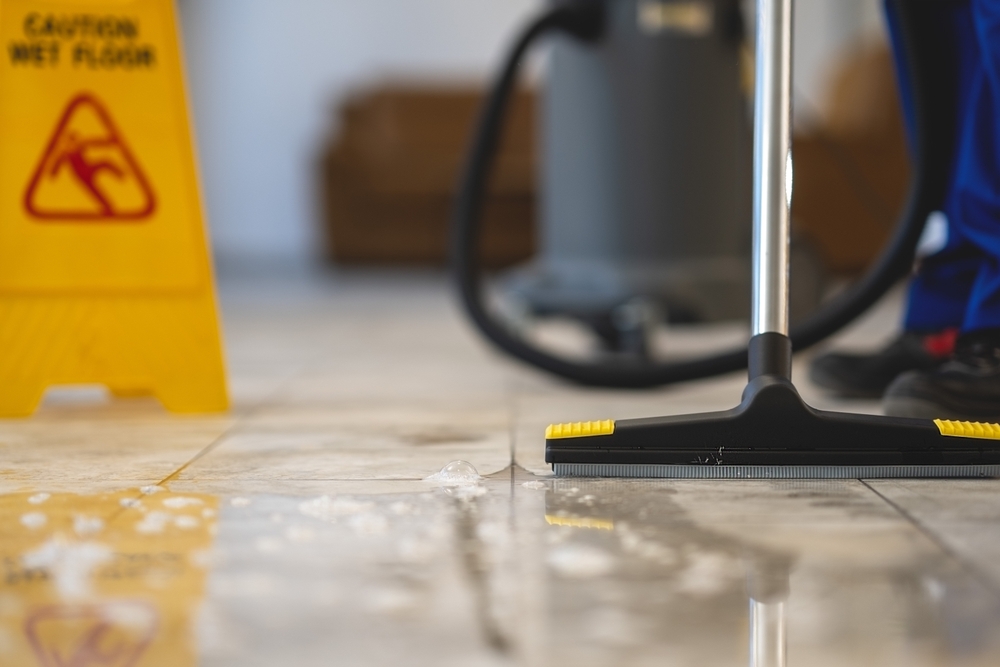
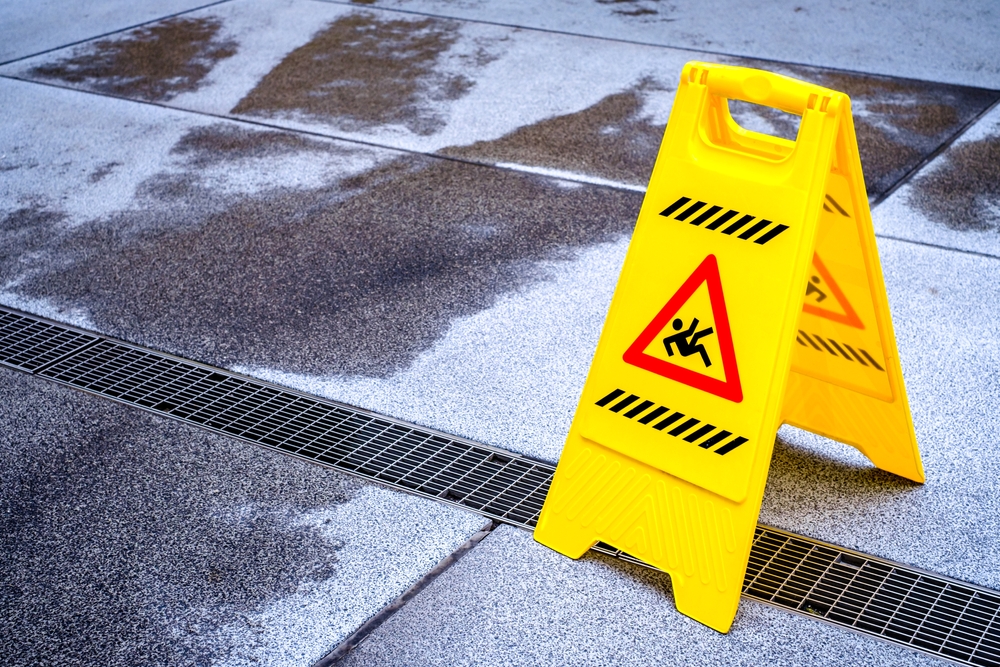
OSHA’s walking-working surfaces standard addresses clean, orderly floors, safe access, and correction or guarding of hazardous conditions. Keep equipment, cords, and supplies from obstructing routes. Wet areas may require restricted access until safe to use.
Product handling belongs in the plan too. OSHA’s cleaning chemical guidance provides safety recommendations on product labels, accessible safety data sheets, appropriate protective equipment, dilution, and ventilation. Employers must also follow applicable OSHA standards.
Do not assume ventilation remains on overnight. Coordinate with building management so cleaning can occur under the conditions required for the products being used.
5. Match Cleaning Methods to Each Surface
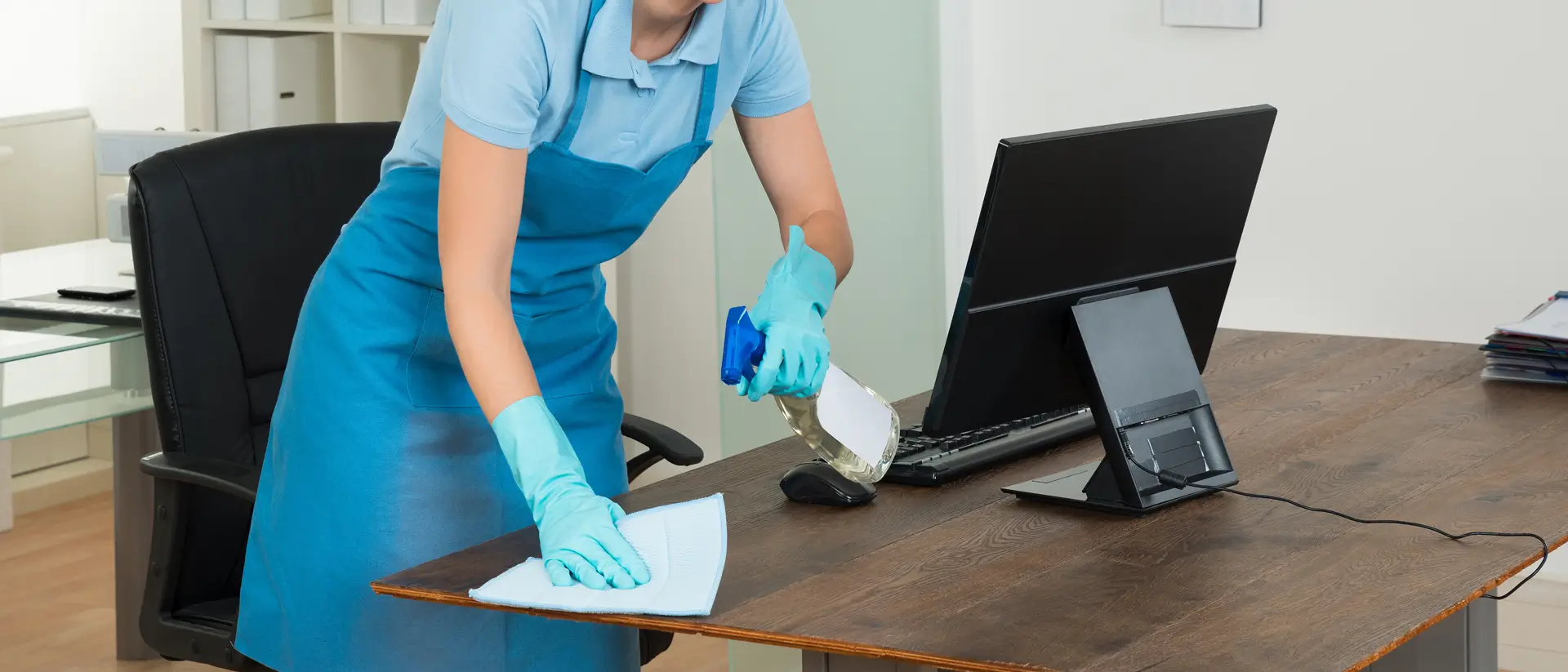
Desks, upholstery, flooring, and electronics can require different approaches. Record any manufacturer instructions or restrictions that the cleaning team needs. The CDC recommends following manufacturer guidance for electronics.
According to CDC guidance, routine cleaning is generally sufficient in most office settings. Disinfect areas where people have obviously been ill, and consider additional disinfection in high-traffic areas or when health authorities recommend it during an outbreak. Healthcare and other regulated settings may require different procedures.
- Identify who is responsible for keyboards, shared phones, touchscreens, and other equipment.
- Remove dirt and other soil before disinfecting, following the product’s directions for any combined cleaning and disinfection process.
- Where disinfection is needed, follow the product label. Keep the surface visibly wet for the full contact time specified on the disinfectant label.
- Avoid treating every surface the same. Appropriate methods help protect both the workplace and its furnishings.
6. Set Up Communication and Issue Reporting
Choose a primary contact for your business and your cleaning provider. Define which issues require an immediate call and which can wait for a routine update.
For example, a leak, unsecured entrance, or damaged lock may require prompt attention. A room skipped because of a late meeting may belong in the service log. Useful records can include:
- Completed and deferred tasks.
- Supply shortages.
- Newly observed damage.
- Access problems.
- Follow-up requests.
Keep reports focused on facility conditions. Avoid including confidential documents or computer screens in photographs.
7. Include a Final Check Before Departure
Create a short closing checklist covering the areas and systems assigned to the cleaning crew.
- Confirm that supplies are stored, cleaning equipment is shut down according to manufacturer instructions, and exit routes remain clear. Record any remaining hazards.
- Specify which lights should stay on, which doors must be locked, and who arms the alarm. Never include instructions to disable required safety systems.
Sample After-Hours Closing Checklist
Adapt this checklist to your building’s procedures and the cleaning crew’s assigned responsibilities.
| Final check | What to confirm |
|---|---|
| Tasks and service log | Completed work is recorded, and skipped or deferred tasks have a follow-up plan. |
| Supplies and equipment | Supplies are stored securely, and equipment is shut down according to manufacturer instructions. |
| Floors and exit routes | Routes are clear. Any remaining wet areas or other hazards are restricted as appropriate and reported. |
| Lighting | Designated lights remain on. Required safety lighting and systems are not disabled. |
| Doors and access points | Assigned doors are secured according to the building’s procedures without obstructing emergency exits. |
| Alarm and handoff | The designated person handles the alarm, and access or security problems are reported to the agreed contact. |
Review the plan when office layouts, staffing, operating hours, or service needs change. Periodic reviews can also help identify when deeper cleaning is needed.
Plan After-Hours Cleaning With Cleaning Tech
A useful cleaning plan combines clear tasks with dependable communication and practical scheduling.
If your office in Scranton, Wilkes-Barre, or elsewhere in Northeastern Pennsylvania needs cleaning support, contact Cleaning Tech for an estimate. We can discuss your space, operating hours, and priorities to help build a cleaning schedule around your business.