
How Salt and Winter Weather Damage Commercial Floors in Pennsylvania
Pennsylvania winters bring snow, ice, freezing temperatures, and road salt that can take a toll on commercial buildings. While deicing products help make outdoor walkways safer, the salt, slush, and moisture tracked indoors can gradually damage flooring surfaces.
Quick answer: Winter salt can damage commercial floors by leaving residue, introducing abrasive debris, and contributing to moisture-related deterioration. Regular removal of salt and moisture, properly maintained entrance mats, and flooring-specific cleaning can help protect commercial floors throughout Pennsylvania’s winter months.
For medical facilities and business offices throughout Northeastern Pennsylvania, protecting commercial floors during winter is an important part of maintaining a clean, safe, and professional environment.
Cleaning Technologies Inc. understands how winter weather affects commercial flooring and helps facility managers reduce avoidable wear through appropriate cleaning and maintenance.
How Does Road Salt Damage Commercial Floors?
Road salt and other deicing materials are commonly used throughout Pennsylvania to reduce ice accumulation on roads, sidewalks, and parking lots.
Unfortunately, these materials do not remain outdoors. Employees, patients, and visitors carry salt particles and melting snow into buildings on their shoes. Over time, this buildup can damage flooring in several ways.
Salt Residue Can Wear Down Floor Finishes
As tracked-in moisture evaporates, deicing salts can leave visible white residue that makes floors appear dull or dirty, even after routine cleaning.
Sand, grit, and other particles carried indoors can also scratch surfaces and gradually wear down protective floor finishes under repeated foot traffic. Over time, this abrasion may leave flooring more vulnerable to stains, scratches, and moisture-related deterioration.
Regular removal of salt residue and abrasive debris can help maintain the appearance and condition of commercial flooring throughout winter.
Moisture Can Cause Long-Term Deterioration
Tracked-in snow and ice melt indoors, introducing moisture that can accumulate near entrances, hallways, and other high-traffic areas. If water remains on flooring for extended periods, it may enter seams, cracks, and other vulnerable areas.
Depending on the flooring material, installation, and duration of exposure, prolonged moisture can contribute to:
- Warping or swelling
- Deterioration of adhesives
- Loose or lifting flooring tiles
- Staining and discoloration
- Damage to underlying materials
Prompt moisture removal is especially important in high-traffic areas where wet conditions may persist throughout the day.
Which Commercial Flooring Materials Are Most Vulnerable?
Different flooring materials respond differently to winter salt and moisture.
Vinyl Composition Tile and Luxury Vinyl Flooring
Vinyl composition tile (VCT) is commonly used in offices, healthcare facilities, and other commercial buildings because of its durability and available maintenance options.
However, abrasive grit and debris tracked indoors during winter can gradually wear down protective finishes. Depending on the flooring’s condition and maintenance requirements, VCT may benefit from professional cleaning, stripping, and refinishing.
Luxury vinyl tile (LVT) is generally designed to resist everyday moisture, but it still requires appropriate cleaning to prevent scratches and residue buildup. Many LVT products have factory-applied protective wear layers and do not require conventional stripping and waxing.
Facility managers should follow the flooring manufacturer’s maintenance recommendations to avoid damaging protective surfaces.
Ceramic Tile and Grout
Ceramic and porcelain tiles are generally moisture-resistant, but grout joints can collect dirt, salt residue, and other contaminants. Without proper maintenance, grout may become discolored and difficult to clean. Professional tile and grout cleaning can help remove embedded buildup that ordinary mopping may leave behind.
Carpeted Entryways and Hallways
Commercial carpeting can retain moisture and collect salt, sand, and debris carried indoors during winter. When these contaminants remain in carpet fibers, they can contribute to discoloration, premature wear, and unpleasant odors.
Regular vacuuming helps remove loose particles before they become embedded in the carpet. Periodic professional carpet extraction, followed by appropriate drying, can help address accumulated residue and maintain the appearance and condition of carpeted areas.
Why Winter Floor Maintenance Matters for Medical Facilities
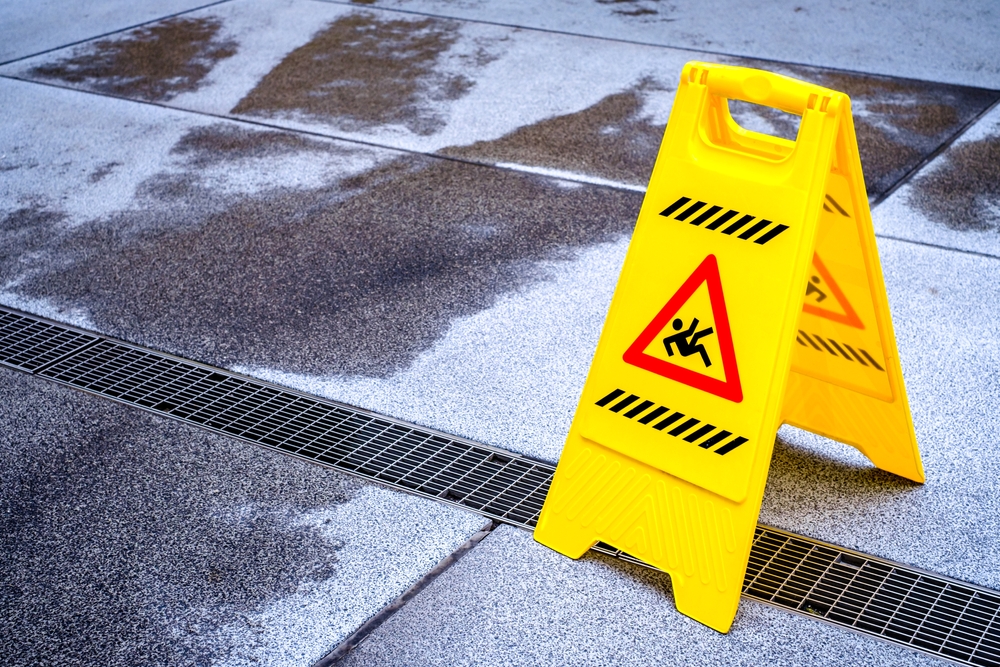
Medical facilities face particular challenges during Pennsylvania winters. Patients, healthcare workers, and visitors frequently move through entrances, waiting rooms, corridors, and treatment areas. Snow and slush tracked indoors can create wet walking surfaces.
The Occupational Safety and Health Administration (OSHA) identifies wet floors, spills, and other walking-surface hazards as factors that can contribute to slips, trips, and falls in healthcare environments.
For medical offices, clinics, and other healthcare facilities, winter floor maintenance should prioritize both cleanliness and safer walking conditions. Important considerations include:
- Keeping entrances and patient corridors as dry as reasonably possible.
- Removing salt residue before it accumulates.
- Using appropriate cleaning products for each flooring material.
- Keeping entrance mats clean, dry, and securely positioned.
- Scheduling cleaning around patient traffic and facility operations.
A consistent cleaning program can help facilities maintain a professional appearance while reducing avoidable flooring hazards.
How Winter Weather Affects Business Offices
Business offices experience many of the same problems, particularly near entrances, reception areas, elevators, and shared hallways. Employees and visitors may repeatedly track salt and moisture across flooring throughout the workday.
In addition to creating slip hazards, this buildup can make an otherwise well-maintained office appear neglected. Damaged floor finishes and stained carpets can also lead to additional maintenance expenses.
For offices in Scranton, Wilkes-Barre, and surrounding Northeastern Pennsylvania communities, preventive cleaning is often more practical than waiting until visible damage requires restoration.
How Can Businesses Prevent Winter Weather Floor Damage?
Facility managers can take several steps to protect commercial floors before and during winter.
1. Install and Maintain Entrance Matting
Properly positioned entrance mats help capture moisture, salt, and debris before they spread throughout the building. Mats should remain flat, secure, and regularly cleaned or replaced when saturated.
2. Increase Cleaning Frequency During Snowstorms
A cleaning schedule that works during summer may not be sufficient during winter. During periods of snow and freezing rain, entrances and other heavily traveled areas may require more frequent attention. Prompt removal of standing water and tracked-in debris helps protect surfaces and reduce slip hazards.
3. Use Flooring-Appropriate Cleaning Products
Not every cleaning chemical is suitable for every surface. Improper products or overly aggressive cleaning methods may damage finishes, grout, or flooring materials.
Facility managers should follow flooring manufacturers’ maintenance recommendations and use products appropriate for the surface and residue being removed.
4. Schedule Professional Floor Maintenance
Routine cleaning removes surface dirt, but some flooring materials require periodic restorative maintenance to address accumulated wear and maintain their appearance.
Depending on the flooring material, manufacturer recommendations, and existing condition, professional maintenance may include:
- Stripping and refinishing compatible resilient floors, such as certain VCT installations.
- Buffing and maintaining floors designed for these procedures.
- Tile and grout cleaning to address embedded dirt and residue.
- Carpet extraction with appropriate drying procedures.
- Targeted deep cleaning of high-traffic entrances and corridors.
Professional commercial cleaning services can help facility managers establish maintenance schedules suited to their flooring materials, building traffic, and seasonal conditions.
When Should Commercial Floors Be Professionally Cleaned?
The ideal cleaning schedule depends on building traffic, flooring materials, weather conditions, and facility requirements. However, certain warning signs indicate that additional maintenance may be necessary:
- Persistent white salt residue.
- Dull or scratched floor finishes.
- Darkened grout lines.
- Carpet discoloration near entrances.
- Moisture that repeatedly accumulates in the same areas.
- Flooring that remains dirty after routine cleaning.
A facility assessment can help determine whether routine maintenance, deep cleaning, or restorative floor care is appropriate.
Should Commercial Floors Be Deep Cleaned After Winter?
After Pennsylvania’s winter season, commercial floors may retain salt residue, embedded grit, and moisture-related staining even with regular cleaning. A post-winter floor assessment can help facility managers identify areas that need additional attention.
Depending on the flooring material and its condition, professional cleaning may include carpet extraction, tile and grout cleaning, or appropriate floor finish maintenance.
Addressing accumulated winter debris before spring can help businesses maintain the appearance and condition of their flooring while preparing for changing seasonal maintenance needs.
Protect Your Commercial Floors With Cleaning Tech Services
Winter weather can create significant maintenance challenges for medical facilities and business offices throughout Pennsylvania.
Salt buildup, tracked-in moisture, and abrasive debris can gradually damage commercial floors, affecting their appearance, durability, and safety.
Cleaning Technologies Inc. provides commercial and medical facility cleaning solutions throughout Northeastern Pennsylvania, including Scranton, Wilkes-Barre, and surrounding communities.
Our services include floor stripping, waxing, buffing, tile and grout cleaning, carpet care, and routine facility cleaning. We work with businesses to develop cleaning schedules suited to their flooring materials, traffic levels, and operational needs.
If you manage a medical facility or business office, contact Cleaning Tech Services to discuss a cleaning program that can help reduce winter-related floor wear.
Contact Cleaning Tech Services or call 570-639-4975 to discuss your facility’s cleaning and floor maintenance needs.