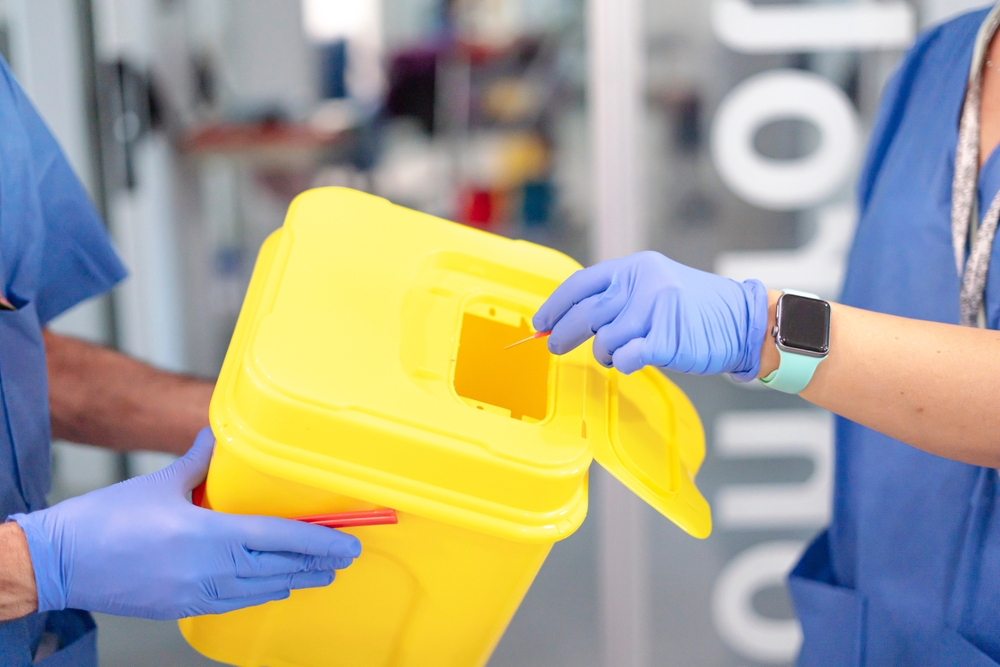
How We Reduce Cross-Contamination During Medical Facility Cleaning
Cleanliness in healthcare settings goes beyond appearances. Medical offices, clinics, and other healthcare facilities must maintain sanitary environments to help protect patients, employees, and visitors from potentially harmful microorganisms.
One major concern is cross-contamination, which occurs when bacteria, viruses, or other contaminants are transferred between surfaces, equipment, or areas.
At Cleaning Tech Services, we understand the importance of careful, consistent medical facility cleaning. By emphasizing proper cleaning procedures, appropriate disinfectants, and attention to high-contact areas, we help facilities maintain cleaner environments and reduce contamination risks.
Why Is Cross-Contamination a Concern in Medical Facilities?
Healthcare environments contain numerous shared surfaces that patients, employees, and visitors touch throughout the day. Without appropriate cleaning practices, microorganisms can spread between:
- Examination rooms
- Waiting areas
- Restrooms
- Frequently handled equipment
According to the Centers for Disease Control and Prevention (CDC), high-touch surfaces in patient care areas generally require more frequent cleaning and disinfection than surfaces with minimal hand contact.
Reducing cross-contamination requires a consistent approach that considers each area’s purpose, patient exposure, and potential contamination risks.
1. We Prioritize High-Touch Surfaces
One of the most important aspects of medical facility cleaning is identifying surfaces that receive frequent contact. These surfaces can accumulate microorganisms throughout the day, making regular attention essential.
Common High-Touch Areas
Medical facility cleaning plans should prioritize:
- Door handles and light switches
- Reception counters and check-in stations
- Waiting room chairs and armrests
- Examination tables and nearby counters
- Restroom fixtures and faucets
- Elevator buttons and handrails
- Shared workstations and keyboards
Cleaning schedules should reflect how frequently these surfaces are used and the risks associated with each area.
2. We Follow Proper Cleaning and Disinfection Procedures
Cleaning and disinfecting serve different purposes.
Cleaning removes dirt, organic material, and many microorganisms from surfaces. Disinfecting uses appropriate products to inactivate targeted microorganisms. Both steps matter when reducing cross-contamination.
Why Disinfectant Contact Time Matters
Disinfectants need sufficient contact time to work as intended. The CDC’s disinfection guidance emphasizes following the manufacturer’s directions for EPA-registered disinfectants.
Depending on the product, surfaces may need to remain visibly wet for a specified period. Using the correct product, concentration, and application method helps support effective disinfection without unnecessarily damaging surfaces.
3. We Emphasize Proper Cleaning Equipment Handling
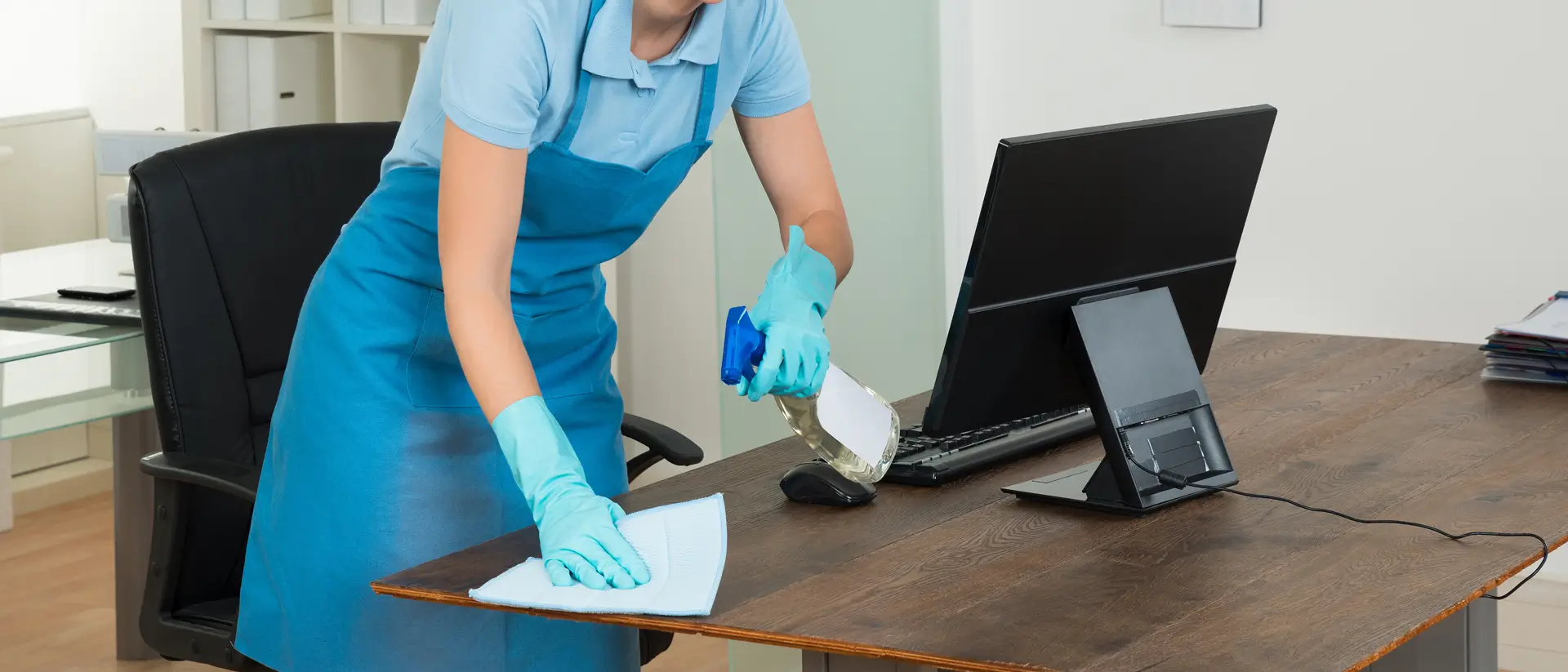
Cleaning equipment can contribute to cross-contamination when it is used improperly. For example, using the same contaminated cloth in a restroom and an examination room could transfer microorganisms between those spaces.
Separating Cleaning Tools by Area
An effective medical cleaning program should establish procedures for separating equipment used in different areas. These practices may include:
- Using designated cloths and mop heads for particular areas.
- Replacing soiled cleaning materials promptly.
- Avoiding the reuse of contaminated cloths.
- Cleaning and disinfecting reusable equipment.
- Keeping clean supplies separate from used materials.
The CDC’s environmental cleaning guidance recommends fresh cleaning cloths, appropriate replacement practices, and methods that prevent contamination of cleaning solutions.
4. We Clean From Lower-Risk Areas to Higher-Risk Areas
The order in which surfaces are cleaned can affect contamination risks. A structured cleaning sequence helps prevent microorganisms from being transferred into areas that have already been cleaned.
Why Cleaning Order Matters
CDC guidance recommends moving from cleaner areas toward dirtier areas and working from higher surfaces toward lower surfaces. For example, a cleaning sequence may begin with general surfaces before moving to heavily contaminated fixtures.
Floors are generally cleaned after elevated surfaces to collect dust and debris that may have fallen during cleaning. Following a consistent sequence also reduces the chance of overlooking important areas.
5. We Recognize the Importance of Hand Hygiene and Protective Equipment
Cleaning personnel frequently handle surfaces and materials that may contain microorganisms. Appropriate hand hygiene and personal protective equipment help reduce contamination risks during cleaning activities.
Depending on the task and facility requirements, protective equipment may include gloves, gowns, or eye protection.
Preventing Contamination Between Tasks
Important precautions include:
- Performing hand hygiene at appropriate times.
- Changing gloves when required.
- Avoiding contact between contaminated gloves and clean supplies.
- Following facility-specific protective equipment procedures.
- Properly removing and disposing of used protective equipment.
Gloves do not replace hand hygiene, and protective equipment must be selected according to the hazards involved.
6. We Pay Attention to Examination Rooms and Shared Spaces
Different areas of a medical facility have different cleaning needs. An examination room may require more frequent attention than an administrative office because of direct patient contact.
Examination Rooms
Examination tables, counters, and other frequently touched surfaces require cleaning and disinfection according to facility protocols. Responsibilities for medical equipment should be clearly assigned between clinical personnel and cleaning staff.
Waiting Rooms and Reception Areas
Shared seating, counters, door handles, and other common surfaces require consistent cleaning. These areas experience frequent visitor turnover, making scheduled cleaning especially important.
Restrooms
Restrooms require careful attention to fixtures, frequently touched surfaces, and appropriate separation of cleaning materials.
7. We Support Consistent Cleaning Schedules
Cross-contamination prevention depends on consistency. A medical facility cleaning schedule should identify which surfaces require attention, how frequently they should be cleaned, and which procedures apply.
The CDC recommends using risk assessments to determine appropriate environmental cleaning methods and frequencies. Cleaning plans may include:
- Routine daily cleaning
- Additional high-touch surface cleaning
- Cleaning between patient visits where required
- Prompt response to spills
- Periodic cleaning of lower-contact surfaces
Schedules should be developed around the facility’s operations and infection prevention requirements.
Why Professional Medical Facility Cleaning Matters
Healthcare facilities need dependable cleaning practices that support their broader infection prevention efforts. A structured cleaning program helps reduce the likelihood of contaminants being transferred between rooms, surfaces, and shared spaces.
It also supports a cleaner, more welcoming environment for patients and staff.
Although environmental cleaning cannot eliminate every infection risk, it remains an important component of maintaining healthcare facilities.
Contact Cleaning Tech Services for Medical Facility Cleaning
Medical facilities need cleaning services that recognize the importance of sanitation, consistency, and careful attention to detail.
At Cleaning Tech Services, we understand that healthcare environments have cleaning requirements that differ from those of ordinary commercial buildings. Our goal is to help facilities maintain clean, professional spaces while supporting practices that reduce cross-contamination.
If your medical office, clinic, or healthcare facility needs dependable medical facility cleaning, contact Cleaning Tech Services today to discuss your cleaning needs and available service options.