How Seasonal Changes Affect Commercial Cleaning Needs
Businesses deal with changing cleaning demands throughout the year. Weather, employee and customer traffic, seasonal illnesses, and indoor environmental conditions can all affect how frequently different areas need to be cleaned and what cleaning tasks should receive the most attention.
Understanding these seasonal cleaning changes can help businesses maintain cleaner, safer facilities throughout the year. For offices and medical facilities, adjusting cleaning routines as the seasons change can also help address specific challenges, from winter salt and moisture to increased respiratory illness activity.
Why Commercial Cleaning Needs to Change With the Seasons
A commercial facility does not experience the same cleaning conditions year-round. Weather changes can bring different materials into a building, while seasonal changes in temperature and humidity can affect indoor environments.
For example, winter weather can introduce snow, ice, salt, and moisture through entrances. Spring may bring increased moisture and pollen. Summer can increase foot traffic and outdoor activity, while fall can bring leaves, dirt, and changing weather conditions.
Because these conditions vary, cleaning schedules may need to change as well.
1. Winter Brings Snow, Salt, and Moisture
Winter can be one of the most demanding seasons for commercial cleaning, particularly in areas that experience snow and freezing temperatures.
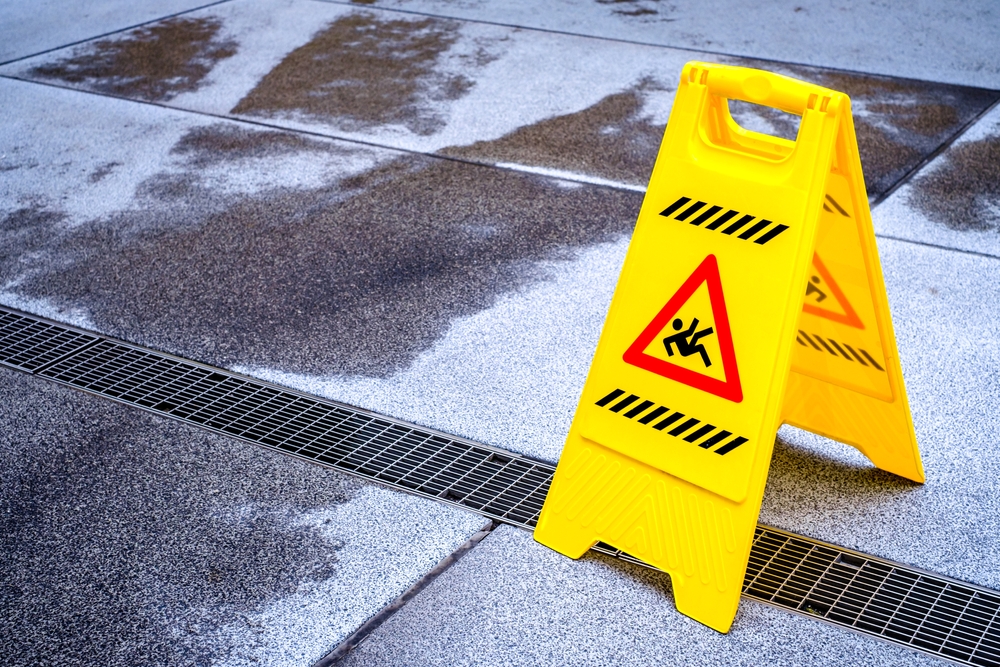
Employees, patients, customers, and visitors can track snow and water into buildings on their shoes. Salt and other deicing materials can also accumulate near entrances and throughout heavily traveled areas. This can create several cleaning challenges, including:
- Wet floors and entryways
- Salt residue on hard flooring
- Staining and buildup on carpets
- Increased slip hazards
- More frequent cleaning requirements around entrances
OSHA recommends clearing snow and ice from walking surfaces and using deicer promptly to help prevent slips, trips, and falls. A strong commercial winter cleaning routine should therefore place extra attention on entrance areas, floors, mats, stairways, and other high-traffic locations.
Cold Weather Can Increase Indoor Cleaning Demands
During colder months, employees, patients, and visitors may spend more time in enclosed spaces. Respiratory illnesses such as influenza and RSV also tend to be more common during colder parts of the year, making consistent cleaning and infection prevention practices especially important.
The CDC recommends regularly cleaning frequently touched surfaces in community settings, including offices and other businesses. Facilities should also consider when disinfection is appropriate, particularly when someone has been visibly ill.
Areas that may require additional attention include:
- Door handles
- Light switches
- Elevator buttons
- Handrails
- Reception counters
- Shared equipment
- Restroom fixtures
Cleaning schedules should reflect the type of facility, occupancy, traffic levels, and applicable requirements. Because many respiratory viruses spread through the air, surface cleaning should complement, rather than replace, appropriate ventilation and other preventive measures.
Medical Facilities May Need Additional Seasonal Attention
Medical facilities have cleaning requirements that differ from those of ordinary office buildings. Seasonal increases in respiratory illness can make it particularly important to review existing environmental cleaning procedures and maintain consistent infection prevention practices.
The CDC recommends that healthcare facilities determine cleaning and disinfection procedures based on factors such as the likelihood of contamination, patient vulnerability, and how frequently surfaces are touched.
Depending on the healthcare setting, areas requiring particular attention may include:
- Waiting rooms and reception counters
- Examination rooms and patient care areas
- Restrooms and shared facilities
- Door handles and other high-touch surfaces
- Frequently used equipment and workstations
Facility managers should review cleaning schedules before periods of increased respiratory illness activity while maintaining established cleaning and disinfection requirements throughout the year. All procedures should follow facility-specific infection prevention policies and applicable healthcare guidance.
2. Spring Cleaning Can Address Winter Buildup
When winter ends, commercial properties may still have accumulated dirt, salt, moisture, and other residue from months of harsh weather.
Spring can be a good time to address areas that received heavy use during the winter. Depending on the facility, this may include:
- Deep cleaning floors and carpets
- Removing salt residue
- Cleaning windows and entryways
- Cleaning less frequently accessed areas
- Addressing accumulated dust and debris
- Reviewing high-traffic areas for additional maintenance needs
A seasonal deep-cleaning service can complement routine janitorial work by addressing areas that may not receive the same level of attention during everyday cleaning.
3. Summer Can Bring Different Cleaning Challenges
Summer can change the way a facility is used. Businesses may experience increased foot traffic, more visitors, special events, or changes in employee schedules.
Warm weather can also contribute to moisture and odors in certain areas, particularly where outdoor activity, food, or high occupancy is involved.
Commercial facilities can benefit from paying close attention to restrooms, break rooms, entrances, common areas, and other high-use spaces.
Ventilation also remains important year-round. The CDC notes that good ventilation can help reduce airborne particle concentrations and lower exposure to respiratory hazards in indoor environments.
4. Fall Is a Good Time to Prepare for Winter
Fall provides an opportunity for businesses to prepare their cleaning programs for the colder months ahead.
Before winter arrives, facility managers can review cleaning schedules and determine whether additional attention will be needed for entrances, floors, carpets, mats, and high-traffic areas.
Businesses can also make sure they have appropriate procedures for responding to snow, ice, and tracked-in moisture. Preparing ahead of time can make it easier to respond when winter weather arrives.
Keep Your Facility Ready for Every Season
Seasonal changes can create different cleaning challenges throughout the year. In Northeastern Pennsylvania, winter snow and road salt can increase floor maintenance needs, while spring moisture, summer activity, and fall debris can affect entrances, common areas, and other heavily used spaces.
For offices, medical facilities, and other commercial properties, adjusting cleaning schedules to seasonal conditions can help maintain cleaner, more comfortable environments without overlooking routine maintenance.
Cleaning Technologies Inc. provides professional commercial cleaning services for businesses throughout Northeastern Pennsylvania, including the Scranton and Wilkes-Barre areas. Whether your facility needs routine office cleaning or additional seasonal attention, our team can help you evaluate your cleaning needs.
Contact Cleaning Technologies Inc. to discuss a cleaning program suited to your facility.