Quick answer: Move from basic to deep commercial cleaning when you notice grime in hard-to-reach areas, persistent odors, rising cleanliness complaints, or other facility concerns. Deep cleaning may also make sense periodically or after major events, renovations, or spikes in foot traffic. The right frequency depends on your facility, industry, traffic levels, and regular cleaning schedule.
Basic commercial cleaning keeps your workspace tidy day to day. Deep commercial cleaning digs into the areas that regular routines miss. Knowing when to upgrade can save your business money, protect employee health, and improve how customers see your brand.
So how do you know it’s time to make the switch? Cleaning Technologies Inc. walks through the warning signs, the key differences between each service, and the moments when deep cleaning makes the most sense.
Signs Your Business Needs to Move Beyond Basic Cleaning
Watch for these red flags that basic cleaning is no longer enough:
- Visible buildup: Dust, dirt, or grime collecting in corners, vents, and other hard-to-reach spots.
- Persistent odors: Lingering smells that stick around even after regular cleaning.
- More complaints: Employees or customers raising concerns about how clean your space feels.
- Health and safety issues: Allergens, mold, or pest problems that put people at risk.
- Worn high-traffic areas: Entryways, hallways, and break rooms showing signs of heavy use and deterioration.
If one or more of these sound familiar, your business likely needs deep cleaning.
Understanding Basic vs. Deep Commercial Cleaning
The two services serve different purposes, so it helps to know what each one covers.
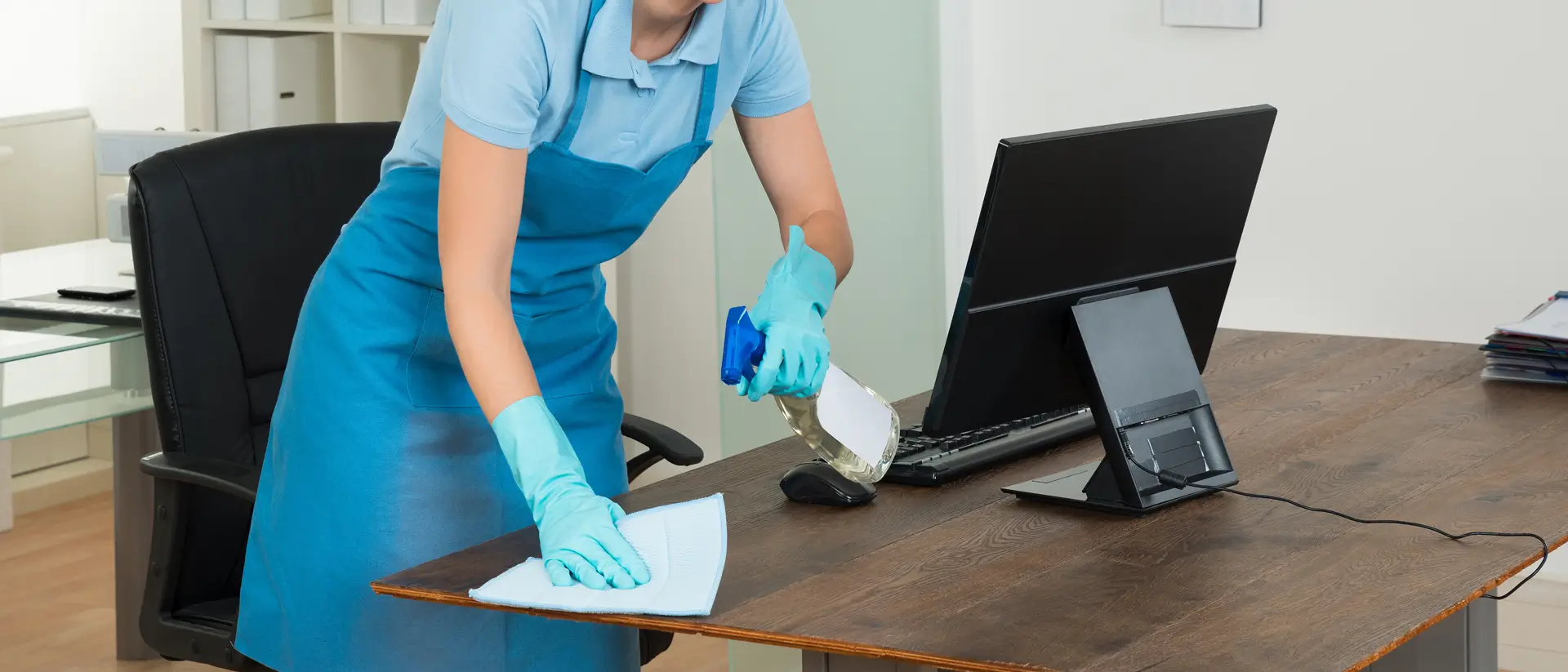
- Basic commercial cleaning handles routine, surface-level tasks. Think vacuuming, dusting, wiping counters, emptying trash, and cleaning restrooms. It usually happens daily or weekly, keeping your space presentable for staff and visitors.
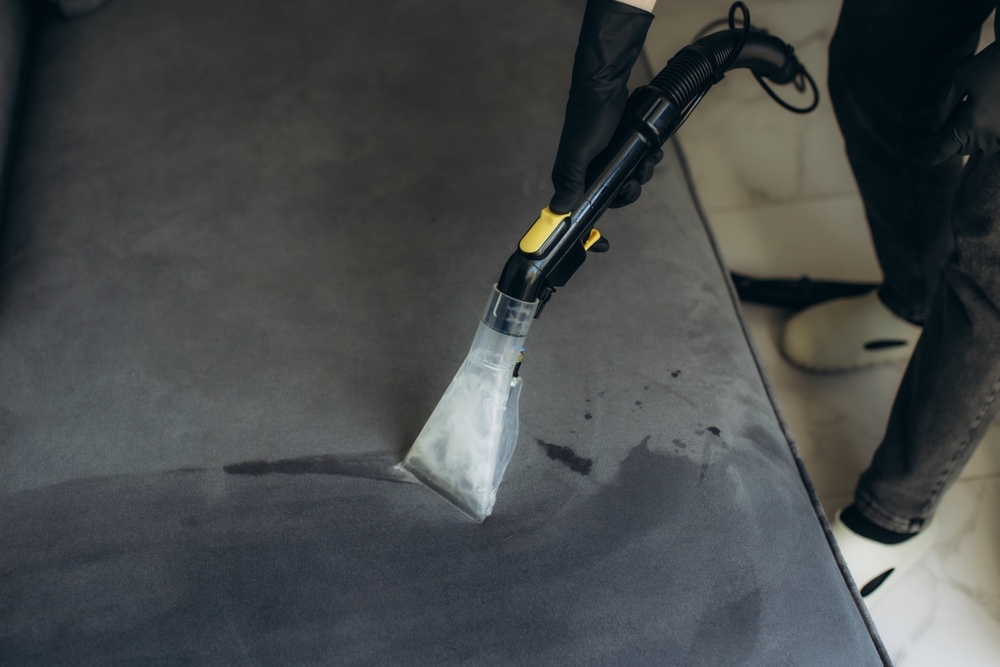
- Deep commercial cleaning goes further. It targets the spots basic cleaning skips, like vents, ducts, grout, baseboards, and behind heavy furniture. OSHA notes that routine cleaning and proper building maintenance can play a role in maintaining healthy indoor air quality. Deep cleaning uses stronger methods and tools, such as HEPA vacuums and sanitizing treatments.
Basic cleaning offers speed and affordability, but it can’t reach everything. Deep cleaning costs more and takes longer, yet it delivers a level of clean that protects both your facility and the people in it.
When to Upgrade to Deep Cleaning
Certain moments call for a deeper clean. Consider scheduling deep commercial cleaning:
- After major events or seasonal changes, when your space has taken on extra wear.
- Following construction or renovation projects, which leave behind fine dust and debris.
- During busy periods, when higher foot traffic means faster buildup.
- As routine maintenance, typically every quarter or twice a year.
- Before inspections or certifications, when every corner needs to pass a close look.
Building deep cleaning into your regular schedule keeps small problems from turning into costly ones.
Cost and ROI Considerations
Deep commercial cleaning requires a bigger upfront investment than basic cleaning. That’s because it demands more labor, advanced equipment, and more time. But the long-term payoff is real.
Preventative deep cleaning helps you avoid expensive repairs and replacements. Clean carpets, floors, and fixtures last longer when grime doesn’t wear them down. A healthier environment also means fewer sick days, which supports employee productivity.
Just as important, a spotless facility shapes how customers and clients perceive your business. First impressions matter, and a clean space signals professionalism and care.
Keep Your Commercial Space Working for You
The signs are clear: visible buildup, stubborn odors, more complaints, and health concerns all point toward the need for deep cleaning. Add in major events, renovations, and routine schedules, and you have a solid plan for keeping your facility in top shape.
A clean commercial environment isn’t just about appearances. It protects your investment, supports your team, and builds trust with everyone who walks through your doors.
Is your Pennsylvania office due for a deep clean? Contact Cleaning Technologies Inc. today for a consultation or a customized quote. Let us help your space look and feel its best.
Frequently Asked Questions
How often should a business schedule deep commercial cleaning?
There is no single schedule that works for every business. Some facilities may benefit from quarterly or twice-yearly deep cleaning, while high-traffic, medical, or other specialized environments may require more frequent service.
What is the difference between basic and deep commercial cleaning?
Basic commercial cleaning covers routine tasks like vacuuming, dusting, and wiping surfaces, usually on a daily or weekly basis. Deep commercial cleaning targets hidden areas such as vents, grout, and baseboards using stronger methods and equipment.
Is deep commercial cleaning worth the cost?
Yes. While deep cleaning costs more upfront, it extends the life of your floors and fixtures, reduces sick days, and improves how customers perceive your business, delivering strong long-term value.
When should I upgrade from basic to deep cleaning?
Upgrade when you notice buildup in hard-to-reach areas, persistent odors, rising complaints, or health and safety concerns. Also consider deep cleaning after renovations, major events, or before inspections.