What Makes Medical Facility Cleaning Different From Standard Office Cleaning?
TL;DR: Medical facility cleaning prioritizes sterilization, infection control, and regulatory compliance — using specialized agents and trained staff to prevent healthcare-associated infections. Standard office cleaning focuses on general tidiness and aesthetics. The distinction matters because the wrong approach in a healthcare setting can put patients and staff at serious risk.
Cleanliness looks different depending on where you are. A tidy office might mean vacuumed floors and emptied trash cans. A clean hospital room means something far more rigorous — and the stakes couldn’t be higher.
For businesses and healthcare providers choosing a cleaning service, understanding this distinction isn’t just useful. It’s essential.
The Critical Distinctions Between Medical and Standard Cleaning
What Does Medical Facility Cleaning Actually Involve?
Medical facility cleaning goes well beyond surface-level tidiness. The primary focus is sterilization and infection control — eliminating pathogens that can cause serious harm to vulnerable patients.
Key characteristics include:
- Infection control protocols: Cleaning teams follow strict procedures to prevent cross-contamination between rooms, equipment, and high-touch surfaces.
- Regulatory compliance: Medical facilities must adhere to guidelines set by bodies like OSHA and the CDC. The CDC’s Environmental Infection Control Guidelines outline specific requirements for cleaning and disinfecting healthcare environments (CDC, 2003).
- Specialized equipment and agents: Hospital-grade disinfectants, color-coded microfiber cloths, and HEPA-filtered vacuums are standard tools—not optional extras.
- Biohazard training: Cleaning staff must be trained to handle biological waste safely, in line with OSHA’s healthcare safety standards.
What Does Standard Office Cleaning Involve?
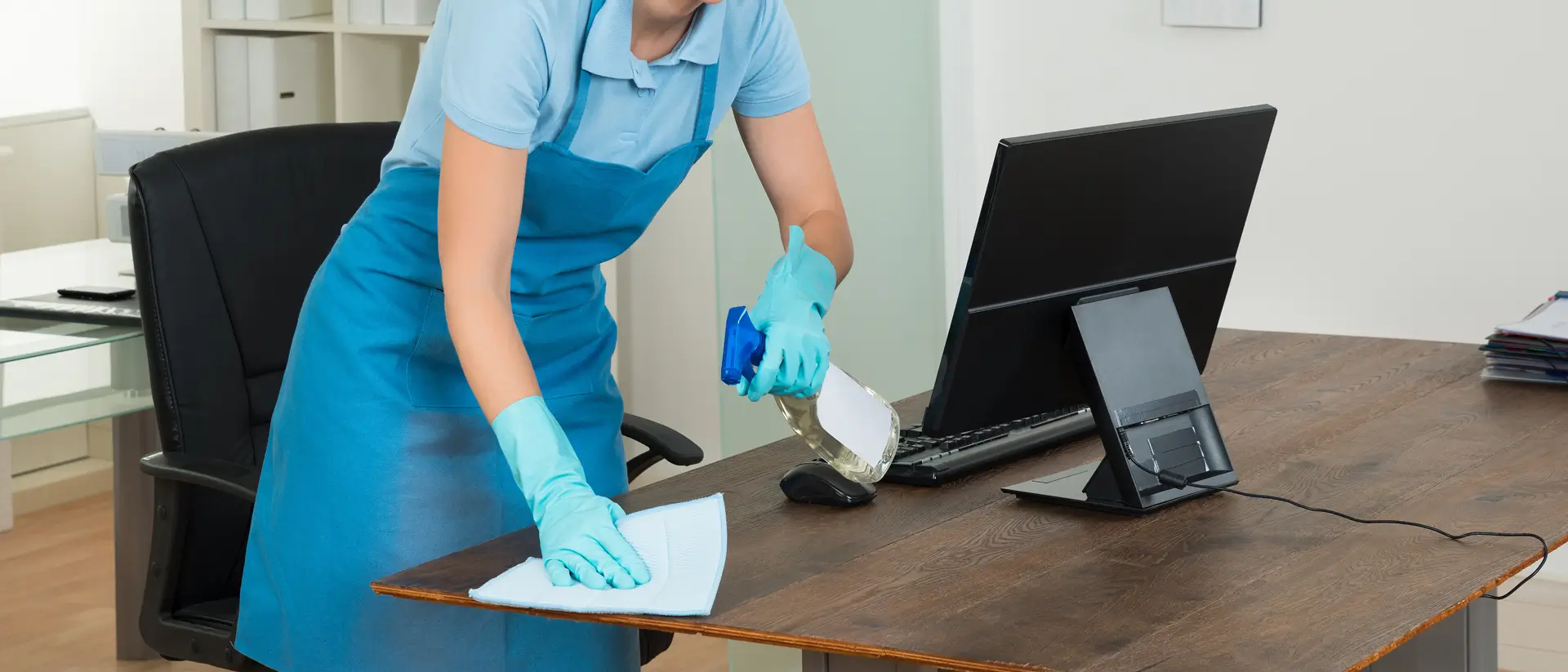
Standard office cleaning serves a different purpose altogether. The goal is to maintain a clean, presentable, and comfortable workspace — not to eliminate clinical-level pathogens. Typical tasks include:
- General dusting and vacuuming
- Trash removal and surface wiping
- Restroom sanitation
- Kitchen and breakroom upkeep
General-purpose cleaning products are sufficient here. Cross-contamination prevention and biohazard protocols simply aren’t part of the standard scope.
Why Specialized Cleaning Matters
What Are the Health and Safety Risks of Using the Wrong Cleaning Approach in Healthcare Settings?
Healthcare-associated infections (HAIs) are a significant and preventable concern. When medical environments aren’t cleaned to clinical standards, patients — especially those with compromised immune systems — face a much higher risk of infection.
For office environments, the consequences of poor cleaning are less severe but still real. Dust buildup, mold growth, and unsanitary shared surfaces can contribute to increased sick days and reduced employee productivity. A clean office supports both health and morale.
How Does Regulatory Compliance Differ Between Medical and Office Cleaning?
Medical facilities operate under strict legal and regulatory frameworks. Failure to meet OSHA and CDC standards can result in fines, legal liability, and reputational damage — outcomes no healthcare provider can afford. Compliance isn’t a checkbox; it’s an ongoing operational requirement.
For offices, compliance obligations are lighter. Still, maintaining a clean environment supports a positive brand image and demonstrates care for employees and visitors alike.
Cleaning Services: Your Partner in Hygiene
What Tailored Cleaning Solutions Does Cleaning Services Offer?
Not all environments are the same, and Cleaning Services doesn’t treat them as if they are. For medical facilities — including hospitals, clinics, and laboratories — Cleaning Services develops customized cleaning plans that align with infection control requirements and regulatory standards.
For office spaces, tailored programs address the unique layout, foot traffic, and hygiene needs of each workplace.
What Sets Cleaning Services Apart From Other Cleaning Providers?
Cleaning Services combines certified expertise with a commitment to eco-friendly solutions. Every team member is trained to the highest professional standards, and all cleaning agents are chosen for both their effectiveness and environmental impact. The result is a service you can trust — whether you’re running a medical practice or managing a busy corporate office.
Choose the Right Cleaning Partner for Your Environment
The gap between medical facility cleaning and standard office cleaning is wide — and for good reason. One protects lives; the other protects productivity. Both matter, and both deserve a specialist approach.
For medical facilities and office workplaces seeking unparalleled cleanliness and hygiene solutions, contact Cleaning Services today. Our team will tailor a cleaning plan that meets your unique needs and exceeds your expectations.
Frequently Asked Questions
Can a standard cleaning company clean a medical facility?
Not safely. Medical facility cleaning requires specialized training, hospital-grade disinfectants, and compliance with OSHA and CDC guidelines. A standard cleaning company typically lacks the certifications and protocols needed for healthcare environments.
What regulations apply to medical facility cleaning?
Medical facilities in the United States must comply with OSHA’s healthcare safety standards and CDC infection control guidelines, which cover disinfection, sterilization, and environmental cleaning procedures.
How often should medical facilities be cleaned?
High-touch and high-risk areas — such as operating rooms, patient rooms, and restrooms — require cleaning multiple times per day. Frequency depends on facility type, patient volume, and regulatory requirements.