How to Prepare Your Office for Cleaning After a Renovation
Quick answer: To prepare for post-renovation office cleaning, confirm that dust-producing work is complete, arrange debris removal, clear work surfaces, secure sensitive items, and share care instructions for new materials. Agree on the cleaning scope, dust-control measures, access arrangements, and time for drying and a final walkthrough before employees return.
Your office renovation is almost finished. The contractors are packing up, new flooring is installed, and employees are ready to return. Before everyone settles in, there is one more task to coordinate: cleaning.
Post-renovation office cleaning requires more preparation than a routine janitorial visit. Construction dust, packaging, adhesive residue, and newly installed surfaces can require different methods and equipment.
Cleaning Tech Services provides commercial office cleaning services for businesses in Northeastern Pennsylvania. Discussing your renovation before scheduling can help identify the cleaning needed and confirm the available services.
1. Confirm That Dust-Producing Work Is Finished
Schedule final cleaning after sanding, cutting, drilling, and similar work are complete. Otherwise, newly cleaned surfaces may become dusty again before employees return.
Ask your contractor whether touch-ups, inspections, or equipment installations will require additional work. If construction must continue in part of the building, discuss separating that area from completed spaces.
The National Institute for Occupational Safety and Health (NIOSH) identifies inadequate dust control and limited communication with building occupants as concerns during renovations in occupied buildings. Coordinating contractors, building management, and cleaners helps address those issues.
2. Agree on Who Removes Construction Debris
Do not assume the cleaning crew and contractor have the same understanding of “cleanup.” Before the appointment, confirm responsibility for:
- Scrap lumber, drywall, and other building materials.
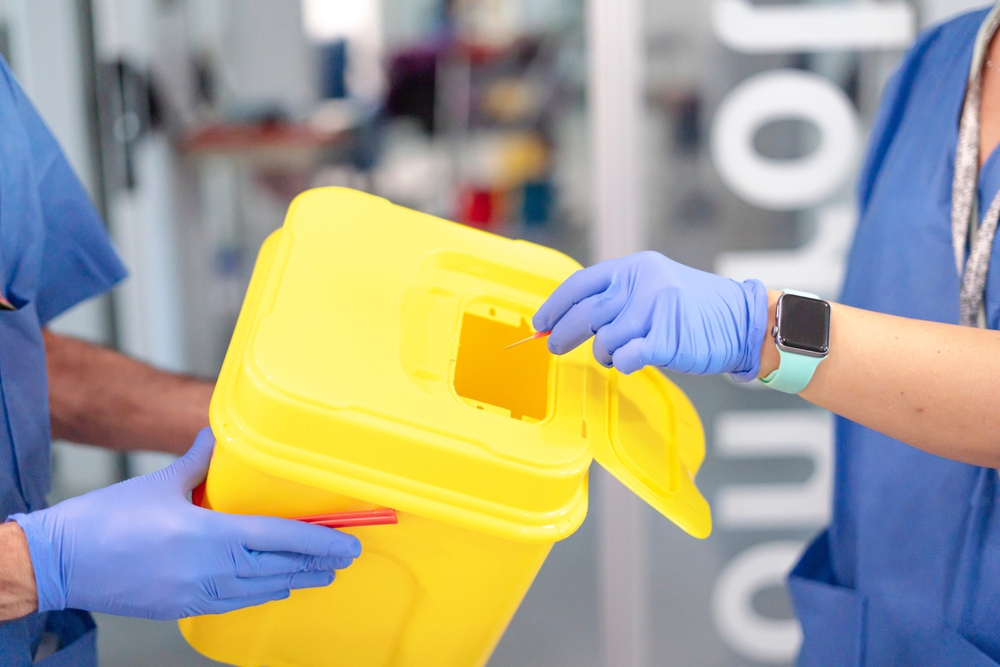
- Nails, screws, broken glass, and sharp debris.
- Leftover paint, adhesives, and chemicals.
- Tools, equipment, and unused supplies.
- Packaging, pallets, and protective coverings.
Identify who will remove bulky or hazardous materials before detailed cleaning begins. Discuss disposal arrangements rather than placing unknown construction waste in ordinary office trash. These arrangements can prevent delays and help the cleaning company provide an accurate estimate.
3. Clear Desks and Protect Sensitive Items
Employees should remove personal belongings and unnecessary clutter from surfaces that need cleaning. Secure confidential files, checks, personnel records, and other sensitive documents. Before the crew arrives:
- Clear desktops, counters, and windowsills.
- Put loose papers in closed storage.
- Identify fragile items and restricted areas.
- Arrange authorized access to rooms and cabinets included in the scope.
- Consult your IT team about handling computers and other electronic equipment.
Discuss whether electronics are included. Cleaning around a workstation is different from cleaning inside a computer, printer, or server.
4. Share Details About New Surfaces
New materials can be damaged by the wrong cleaner, abrasive pad, excessive moisture, or premature treatment.
Provide available manufacturer instructions for flooring, countertops, glass, fixtures, and wall finishes. Tell the cleaning company about sealants, coatings, or adhesives that are still curing. Ask the installer when each surface can be cleaned and used. There is no single waiting period that applies to every product.
If your project includes new or refinished flooring, discuss floor maintenance before requesting stripping, polishing, or other treatments. New flooring does not necessarily require the same treatments as older flooring.
5. Discuss Construction Dust and Ventilation
Dust can settle on ledges, trim, furniture, and other surfaces beyond the immediate work area. NIOSH recommends HEPA-filtered vacuuming as a dust-control measure during renovation projects. Ask the cleaning company what equipment and methods are appropriate for the dust and surfaces involved.
Coordinate ventilation and filter questions with building management or the HVAC contractor. Do not independently remove containment barriers or change ventilation arrangements established for ongoing work.
Tell the cleaning company about any identified lead, asbestos, moisture, or other contamination concerns. Routine office cleaning should not be treated as a substitute for required assessment or remediation.
6. Establish a Written Cleaning Scope
A shared checklist helps distinguish post-construction office cleaning from the building’s regular cleaning schedule.
| Area | Details to confirm |
| Workstations | Desks, furniture, accessible shelving, and equipment exclusions |
| Floors | Surface type, dust removal, residue, and approved cleaning methods |
| Glass | Interior windows, partitions, frames, and accessible tracks |
| Restrooms and kitchens | Fixtures, counters, cabinets, and newly installed surfaces |
| Elevated surfaces | Ledges, trim, accessible vent covers, and access requirements |
| Surrounding areas | Hallways, entrances, and spaces affected by tracked dust |
Confirm internal HVAC work separately with building management. Cleaning accessible vent covers does not mean cleaning inside the ventilation system.
Specify whether paint splatter, stickers, or adhesive residue are included. Some removal methods may damage finishes, so disclose these conditions when discussing the scope.
7. Arrange Access and Plan the Return to Work
Confirm parking, loading access, elevator reservations, keys, alarm instructions, and an on-site contact. Let the crew know where water and electricity are available.
Schedule enough time for cleaning, drying, and a final walkthrough before employees move belongings back into place. Communicate which areas remain closed.
The EPA’s Renovation and Repairs Checklist, developed for schools, reinforces useful planning principles such as checking completed work and allowing time for off-gassing before occupancy. Your office’s reopening plan should reflect its own materials, ventilation, and project conditions. A clean appearance alone does not establish acceptable indoor air quality.
Plan Your Office Cleaning With Cleaning Tech Services
Preparing an office for cleaning helps the crew focus on the agreed work and reduces confusion about access, surfaces, and unfinished construction.
If your Northeastern Pennsylvania office is completing a renovation, contact Cleaning Tech Services to discuss the cleaning needed, confirm the available services, and request an estimate.