
Quick answer: ATP testing is a rapid method that measures adenosine triphosphate (ATP), an energy molecule found in all living cells, to verify surface cleanliness. By detecting leftover organic matter and microbes, it proves a surface is truly clean, because lower light readings on the test device mean less biological residue remains.
A surface can look spotless and still be covered in bacteria. That’s the problem with relying on visual inspections alone. No matter how thorough a cleaning routine appears, microscopic food particles, skin cells, and microbial residue can linger on countertops, desks, and shared equipment, completely invisible to the naked eye.
ATP testing closes that gap. Used widely in food service, healthcare, and commercial cleaning, this rapid verification method gives facilities a measurable, objective way to confirm that clean surfaces are actually clean, not just visually tidy.
What Is ATP Testing?
ATP, or adenosine triphosphate, is an energy molecule found in every living cell. Plants, animals, bacteria, and fungi all produce it. That universal presence is precisely what makes it a reliable cleanliness marker.
When a surface is properly cleaned and sanitized, biological residue, including food particles, bacteria, and organic matter, should be removed or significantly reduced. If ATP is still present on a surface after cleaning, it signals that biological material remains. The more ATP detected, the more contamination is left behind.
ATP testing uses this principle to give cleaning teams a fast, numerical measure of how much biological residue is on a surface, removing guesswork from the verification process.
How Does ATP Testing Work, Step by Step?
The process is straightforward and takes only seconds to complete.
Step 1: Swab the Surface
A sterile swab is wiped over a defined area, typically a 10 cm x 10 cm section, to collect any leftover food, bacteria, or skin cells present on the surface.
Step 2: Trigger the Chemical Reaction
The swab is placed into a tube containing two enzymes, luciferase and luciferin. These enzymes react with any ATP collected on the swab.
Step 3: Measure the Light
When luciferase and luciferin interact with ATP, they produce light. The more ATP present, the more light is generated.
Step 4: Read the Score
A handheld device called a luminometer measures the light output in Relative Light Units (RLUs). Results appear within seconds. Facilities use pre-set RLU thresholds to determine whether a surface passes or fails their cleanliness standard.
Why Does ATP Testing Prove That Clean Surfaces Are Truly Clean?
Traditional cleaning verification relies heavily on visual checks, which simply cannot detect microscopic contamination. ATP testing offers four clear advantages over that approach.
Can ATP Testing Detect Contamination That Is Invisible to the Eye?
Yes. A surface can appear clean while still harboring bacteria and food residue at the microscopic level. ATP testing detects biological material that no visual inspection can identify, giving facility managers confidence that their clean surfaces meet a verifiable standard.
Does ATP Testing Target Bacteria Directly?
Because ATP is produced exclusively by living cells, its presence on a surface is direct evidence of biological contamination. Detecting ATP means the surface has not been fully sanitized, regardless of how it looks.
How Quickly Does ATP Testing Produce Results?
Results are available in seconds. Compared to traditional lab cultures, which can take 24 to 72 hours to produce findings, ATP testing allows cleaning teams to identify problem areas immediately and re-clean on the spot if needed.
How Do Facilities Use RLU Thresholds to Set Cleanliness Standards?
Organizations set specific RLU benchmarks based on the type of surface and the risk level of the environment. A surface scoring below the threshold passes; one that exceeds it requires re-cleaning. This pass/fail system creates a documented, auditable record of cleanliness.
Why Does Your Business Need ATP Testing?
ATP testing is not just for hospitals and food manufacturers. Any facility where hygiene affects health, safety, or regulatory compliance can benefit from it.
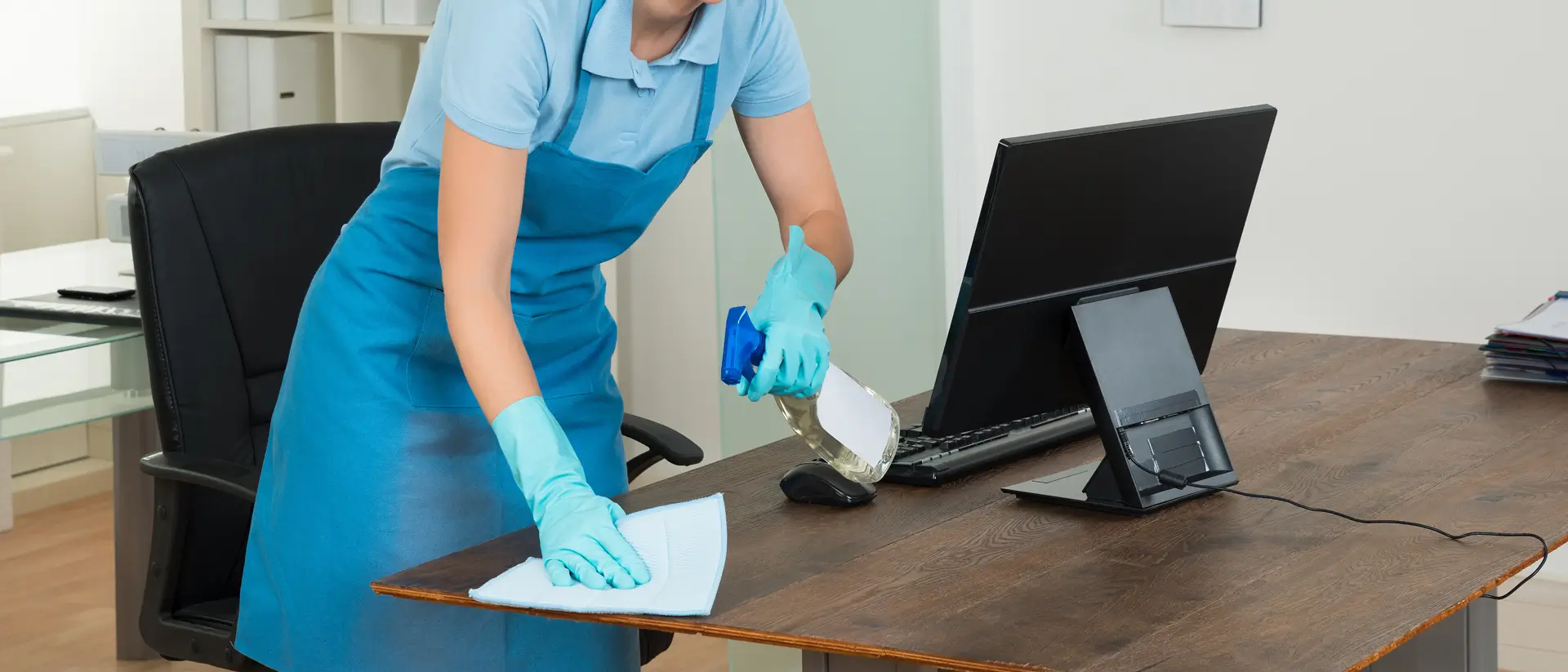
In commercial kitchens and dining areas, ATP testing confirms that food-contact surfaces meet food safety standards, reducing the risk of cross-contamination and foodborne illness. In office environments, it protects employees and visitors by verifying that shared surfaces, like desks, door handles, and break room counters, are genuinely sanitized.
For regulated industries, ATP testing also generates documented proof of cleanliness, providing liability protection and evidence of compliance during audits or inspections.
Keep Your Workplace Truly Clean
Looking clean and being clean are two different things. ATP testing removes the uncertainty by giving businesses a fast, objective, and verifiable method to confirm their clean surfaces meet a real standard, not just a visual one.
If your business office in Pennsylvania is ready for a thorough deep clean backed by measurable results, contact Cleaning Services today for a consultation. Our team uses ATP testing to validate every clean, so you can have confidence in the spaces where your team works every day.
Frequently Asked Questions About ATP Testing
What does ATP stand for in cleaning?
ATP stands for adenosine triphosphate, an energy molecule present in all living cells. In cleaning, ATP testing measures how much of this molecule remains on a surface after cleaning to determine whether biological residue has been effectively removed.
What is a passing RLU score for ATP testing?
Passing thresholds vary by industry and surface type. In food service, many facilities use a threshold of 10 to 100 RLUs for food-contact surfaces, while non-food-contact surfaces may allow higher scores. Each organization should define its benchmarks based on its risk level and regulatory requirements.
Is ATP testing the same as testing for bacteria?
ATP testing does not identify specific bacteria or pathogens. It detects the presence of any biological material, including food residue, skin cells, and microbes. A high RLU reading indicates contamination is present; further testing would be needed to identify the exact source.
How often should businesses use ATP testing?
The frequency depends on the facility type and risk level. High-traffic or high-risk environments, such as kitchens or healthcare settings, may test after every cleaning cycle. Office environments might test weekly or monthly, or as part of periodic audits.
Can ATP testing replace traditional cleaning inspections?
ATP testing complements, rather than replaces, traditional inspections. It adds an objective, numerical layer of verification that visual checks cannot provide. Used together, both methods offer a more complete picture of surface hygiene.