Quick answer: Commercial cleaning improves a building’s indoor air quality by removing trapped dust, allergens, and microscopic pollutants from carpets, surfaces, and ventilation systems. Using tools like HEPA vacuums, microfiber cloths, and low-VOC cleaning products, professional cleaning services stop harmful particles from circulating through your workspace.
The air inside your building affects how your employees feel, focus, and perform every single day. Poor indoor air quality contributes to headaches, respiratory issues, and reduced productivity, yet many building managers overlook one of the most effective solutions available: professional commercial cleaning.
Cleaning Tech breaks down exactly how commercial cleaning improves your building’s indoor air quality, and what methods make the biggest difference.
How Does Commercial Cleaning Remove Air Pollutants?
Dust, allergens, and microscopic pollutants don’t just sit on surfaces. They accumulate in carpets, settle into ventilation systems, and get stirred up every time someone walks through a room. Standard cleaning routines often miss these hidden buildup points, leaving harmful particles to circulate continuously.
Professional commercial cleaning targets these problem areas directly. Rather than simply moving dirt around, commercial cleaning methods are designed to capture and remove pollutants from the environment entirely.
What Cleaning Methods Improve Indoor Air Quality the Most?
HEPA Vacuums
HEPA-filtered vacuums trap 99.97% of airborne particles, including mold spores, dust mites, and fine debris. Unlike standard vacuums that can release particles back into the air, HEPA vacuums contain and remove them completely.
According to the U.S. Environmental Protection Agency (EPA), improving ventilation and removing particle sources are among the most effective strategies for better indoor air quality.
Microfiber Tools
Microfiber cloths and mops physically grab and hold dirt on contact, rather than pushing it into the surrounding air. On desks, floors, and shared surfaces, this makes a measurable difference in how many particles remain suspended in your building’s environment.
Green Cleaning Products
Low-VOC (volatile organic compound) formulas reduce the chemical fumes that traditional cleaning products release. Harsh chemical smells aren’t just unpleasant; they can cause eye irritation, respiratory discomfort, and long-term health concerns for building occupants.
Entry Mats
A simple but highly effective measure: quality entry mats block up to 80% of outdoor dirt, pollen, and contaminants from entering your building in the first place. Fewer pollutants entering the building means less accumulation on surfaces and in the air.
What Building Maintenance Practices Support Cleaner Air?
HVAC Care
Air ducts and filters collect dust and mold over time. Without regular cleaning and filter changes, your HVAC system recirculates those accumulated pollutants throughout the entire building. The EPA recommends changing HVAC filters regularly and having ducts inspected as part of a broader indoor air quality management strategy.
Moisture Control
Damp areas in restrooms and kitchens create ideal conditions for mold growth. Mold releases spores into the air, which can trigger allergies and respiratory symptoms in building occupants. Commercial cleaning routines that include thorough drying and moisture control prevent mold from taking hold.
Surface Upkeep
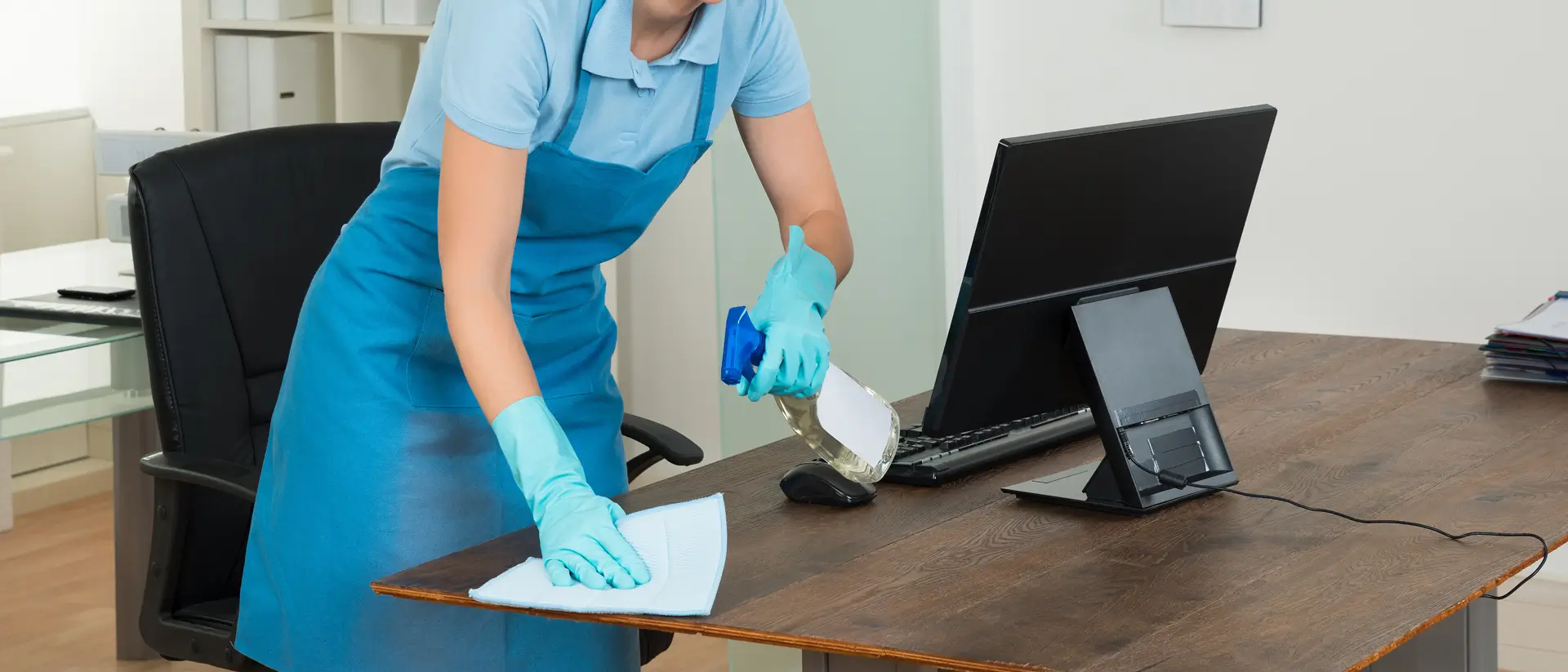
High-touch surfaces, such as door handles, light switches, and shared equipment, accumulate germs that can become airborne through everyday contact. Frequent and thorough surface wiping reduces this buildup and limits the spread of airborne contaminants.
Take Control of Your Building’s Air Quality
Professional commercial cleaning is one of the most direct investments you can make in your employees’ health and your building’s overall environment. The combination of the right tools, products, and maintenance routines removes the pollutants that standard cleaning leaves behind.
If your office is experiencing air quality issues, or you simply want to create a healthier workspace, contact Cleaning Tech today for a consultation. We can assess your building’s needs and develop a customized cleaning plan designed to improve your indoor air quality from the ground up.
Frequently Asked Questions
How often should a commercial building be professionally cleaned to maintain good indoor air quality?
Most commercial spaces benefit from professional cleaning at least once or twice per week, with deep cleaning sessions scheduled monthly or quarterly, depending on foot traffic and building size.
Are green cleaning products as effective as traditional chemical cleaners?
Yes. Low-VOC green cleaning products are designed to clean effectively without releasing harmful chemical fumes, making them a safer choice for both building occupants and cleaning staff.
Can commercial cleaning reduce employee sick days?
Cleaner air and regularly sanitized surfaces reduce the spread of airborne germs and allergens, which can contribute to fewer respiratory illnesses and allergy-related absences among staff.