Top Germ Hotspots in Medical Offices You Can’t Afford to Ignore
Quick answer: The top germ hotspots in medical offices include elevator buttons, stethoscopes, lab coats, ultrasound equipment, and tray tables. These high-touch surfaces carry bacteria like MRSA, E. coli, and Staphylococcus aureus. Regular disinfection of these medical office germspots reduces the risk of cross-contamination between patients and staff.
Medical offices see a steady stream of patients, staff, and visitors every day, and that constant activity creates the perfect conditions for germs to spread. Multiple high-touch surfaces get handled dozens of times before anyone thinks to wipe them down. For patients with weakened immune systems, this exposure carries real risk.
Understanding where these top germ hotspots hide is the first step toward preventing cross-contamination. Cleaning Tech Services breaks down the areas that require the most consistent attention in any medical setting.
1. Why Do Elevator Buttons Carry So Much Bacteria?
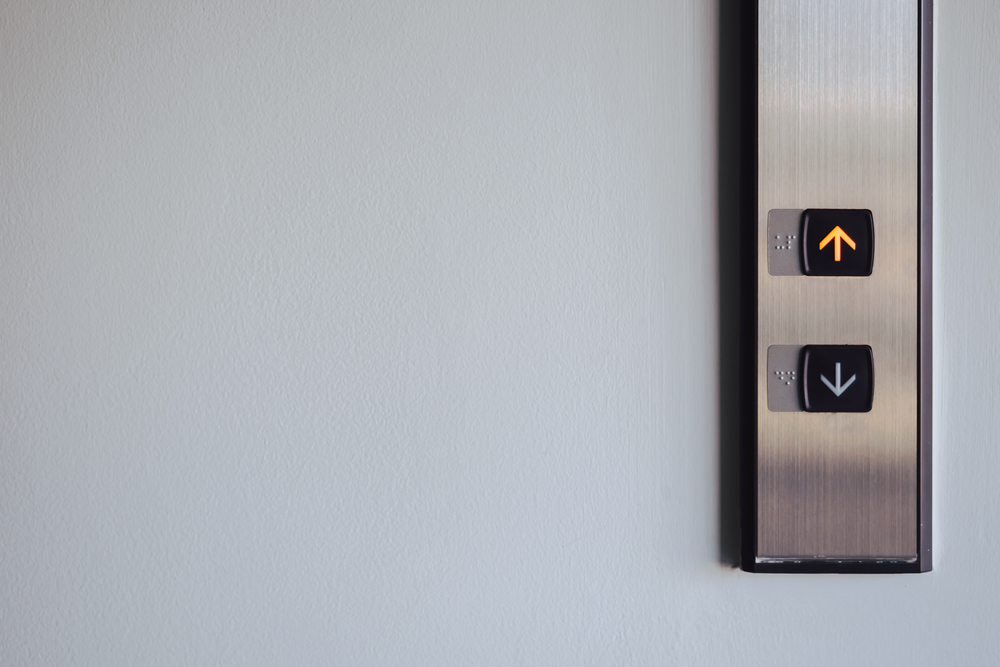
Elevator buttons rank among the most contaminated surfaces in any medical building. Patients, staff, and visitors all press the same buttons throughout the day, often without washing their hands beforehand or afterward.
Studies have found MRSA, E. coli, and Acinetobacter on elevator buttons. Because so many different people touch this small surface area in quick succession, elevator buttons need disinfection on a frequent, ongoing basis rather than a once-a-day wipe-down.
2. Why Are Stethoscopes One of the Most Overlooked Medical Office Germspots?
Stethoscopes touch nearly every patient a doctor sees, yet cleaning them often falls by the wayside. Since this instrument makes direct skin contact with each patient, it should be disinfected between every use, not just at the end of the day.
3. How Much Bacteria Do Lab Coats Really Carry?
Lab coats may look clean, but research shows they can harbor bacteria. In one study, researchers found Staphylococcus aureus on approximately 23% of the lab coats tested, with MRSA detected on about 4%. Because contamination rates vary by healthcare setting, these findings don’t mean that all lab coats carry bacteria at the same rate. Regular laundering and appropriate infection-control practices can help reduce the potential for contaminated clothing to contribute to cross-contamination.
4. Why Does Ultrasound Equipment Need Disinfection Between Every Use?
Ultrasound probes, cords, and keyboards accumulate bacteria from repeated patient contact throughout the day. This equipment is easy to overlook because it’s used in short bursts, but the frequency of contact makes it one of the more overlooked medical office germspots. Disinfecting probes and cords between each patient prevents pathogens from moving from one person to the next.
5. What Makes Tray Tables a High-Touch Surface Worth Watching?
Tray tables come into contact with multiple patients throughout a single day, whether used for paperwork, personal items, or medical instruments. Bacteria can persist on hard surfaces like these for extended periods, which means a table that looks clean may still harbor pathogens from the last patient. Sanitizing tray tables before each use is a simple step that closes a common gap in cleaning protocols.
What Other Areas in a Medical Office Pose a Germ Risk?
Beyond the surfaces listed above, several additional high-touch areas deserve regular attention:
- Waiting rooms: Chairs, armrests, check-in areas, door handles, and other frequently touched surfaces can be contacted by many patients and visitors throughout the day.
- Privacy curtains: The edges of privacy curtains are frequently touched by healthcare workers and patients and should be considered when identifying high-touch surfaces.
- Door handles and light switches: These commonly touched surfaces can easily be overlooked during routine cleaning and should be included in facility-specific cleaning schedules.
Frequently Asked Questions
What are common germ hotspots in medical offices?
Common germ hotspots include frequently touched surfaces and shared patient-care equipment such as stethoscopes, tray tables, door handles, light switches, elevator buttons, medical equipment controls, and privacy curtains. The highest-priority surfaces can vary depending on the layout and workflow of each medical office.
How often should medical equipment like stethoscopes be cleaned?
Shared stethoscopes and other noncritical patient-care equipment should be cleaned and disinfected according to facility protocols, manufacturer instructions, and the way the equipment is used. Shared equipment may require cleaning and disinfection between patients.
Can lab coats carry bacteria?
Yes. Research has found bacteria, including Staphylococcus aureus, on healthcare apparel such as lab coats. Contamination levels vary among studies and healthcare settings, making appropriate laundering and infection-control practices important.
What can medical offices do to reduce germ transmission?
Medical offices can support infection-control efforts by maintaining consistent cleaning and disinfection procedures, paying particular attention to high-touch surfaces, following proper hand-hygiene practices, and clearly defining who is responsible for cleaning shared patient-care equipment.
Who should I contact for professional medical office cleaning?
Medical office supervisors looking for a customized cleaning plan can contact Cleaning Technologies Inc. to discuss cleaning and disinfection services tailored to their facility.
Building a Cleaning Schedule That Actually Works
Identifying common germ hotspots is only useful if it leads to a consistent cleaning plan. Medical offices should identify frequently touched surfaces and shared equipment, establish appropriate cleaning and disinfection frequencies, and clearly define which tasks belong to environmental cleaning staff and which remain the responsibility of clinical staff.
A well-planned cleaning program can support a medical facility’s broader infection-control efforts and help maintain a cleaner environment for patients, staff, and visitors.
If your facility needs a customized approach to cleaning and disinfection, Cleaning Technologies Inc. works with medical facilities to develop cleaning programs suited to their spaces and schedules. Contact Cleaning Technologies Inc. today to get started.