A Guide to OSHA Cleaning Standards for Every Workplace
Maintaining a clean facility is about more than just aesthetics — it is a fundamental requirement for employee safety. The Occupational Safety and Health Administration (OSHA) sets rigorous guidelines to ensure that businesses maintain sanitary and hazard-free environments. Failing to adhere to these regulations can result in severe penalties and, more importantly, worker injury.
Whether you run a corporate office, a manufacturing plant, a shipyard, or a medical facility, understanding the nuances of these regulations is critical. Cleaning Technologies Inc. breaks down the essential OSHA cleaning standards and how they apply to various types of workplaces.
General Workplace Standards
While some industries face niche requirements, most businesses fall under OSHA’s general industry standards (29 CFR 1910). These rules create a baseline for safety that applies to nearly every commercial environment.
Housekeeping
According to standard 1910.22, effective housekeeping is the first line of defense against accidents. Employers must keep all places of employment clean, orderly, and in a sanitary condition.
- Floor Conditions: Workroom floors must be kept clean and dry. If a work process results in wet floors, you must provide drainage and dry standing places, such as platforms or mats.
- Clear Pathways: Walking and working surfaces must be kept free of hazards such as sharp objects, loose boards, corrosion, leaks, spills, snow, and ice.
- Load Management: Surfaces must be strong enough to support the maximum intended load.
Sanitation
Sanitation standards (1910.141) focus on hygiene facilities. Employers are required to provide accessible restrooms equipped with hot and cold running water, soap, and hand-drying methods (towels or air dryers). Furthermore, eating and drinking areas must be kept clean and separate from areas where employees are exposed to toxic materials.
Waste Disposal
Waste accumulation creates fire hazards and attracts vermin. OSHA cleaning standards mandate that trash receptacles be emptied frequently enough to prevent overflow. Any waste that is liquid or capable of rotting must be stored in leak-proof containers with tight-fitting covers.
Hazardous Materials
If a spill involves hazardous substances, it cannot simply be mopped up. Spills must be addressed immediately using appropriate containment methods. Areas using flammable liquids or chemicals (Subpart H) require proper ventilation and strict storage protocols to prevent fume buildup and fire risks.
Specific Workplace Standards
Different environments present unique risks. Consequently, OSHA creates specific protocols for different types of workplaces.
1. Industrial and Manufacturing
In industrial settings, the scale of cleaning operations increases. The focus here is on prompt spill control to prevent slips and falls, which are among the most common workplace injuries. Manufacturers must also maintain rigorous pest control programs to keep facilities free of vermin, which can damage equipment and spread disease.
2. Cleaning Services
For businesses that provide janitorial services (NAICS 561720), the focus shifts to the safety of the cleaners themselves.
- Chemical Safety: Employees must be trained on the hazards of the chemicals they use.
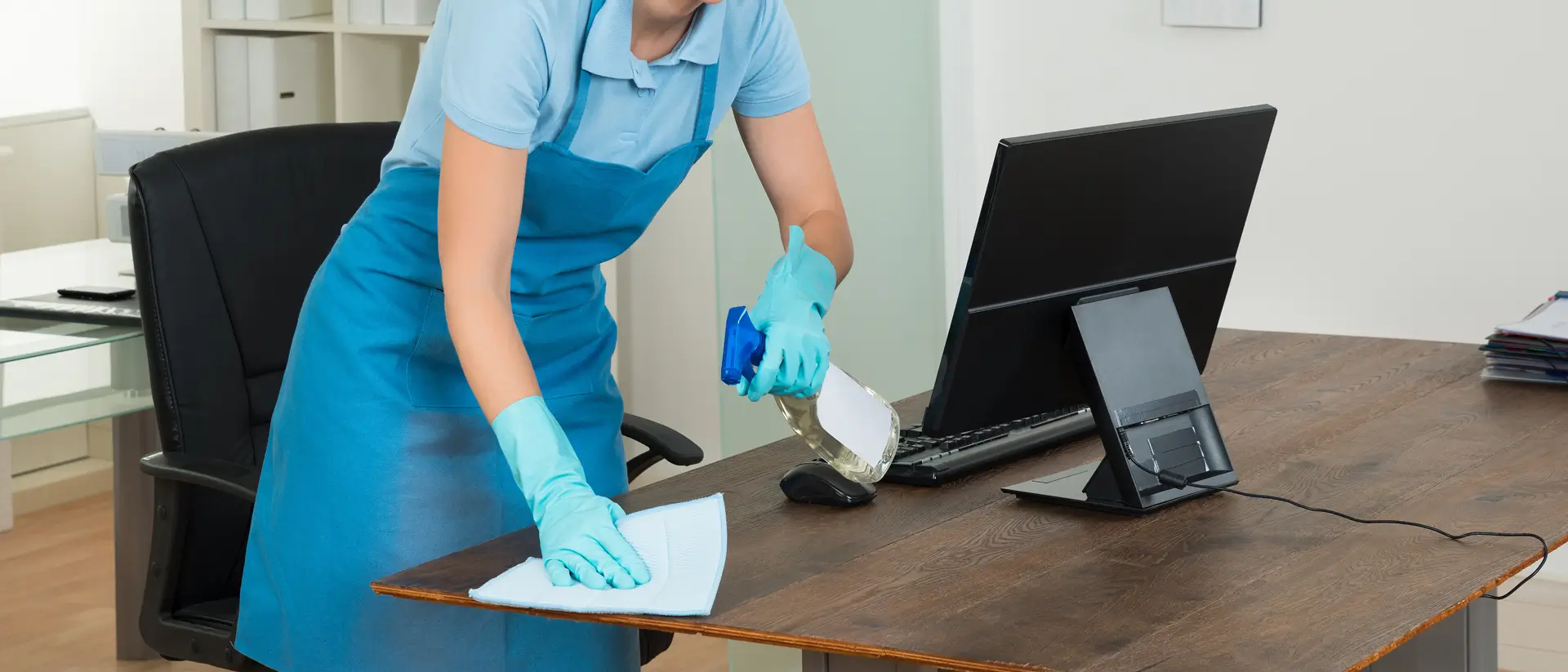
- PPE: Employers must provide appropriate Personal Protective Equipment (PPE), such as gloves, goggles, and respirators, to protect staff from chemical burns or inhalation hazards.
- Safe Practices: Cleaners should avoid methods that re-aerosolize dust or infectious particles, such as using high-pressure sprays or dry sweeping in certain environments.
3. Confined Spaces and Shipyards
Shipyards (29 CFR 1915) have some of the strictest regulations due to the nature of the work.
- Vapor Testing: Before any “cold work” (cleaning) begins in a tank or compartment, the atmosphere must be tested for flammable vapors.
- Ventilation: Continuous ventilation is often required to keep toxic fumes or flammable gases below dangerous levels (e.g., below 10% of the Lower Explosive Limit).
- Residue Removal: Hazardous residues like fuel or oil must be removed before general cleaning begins.
4. Medical Facilities
The Occupational Safety and Health Administration (OSHA) enforces strict regulations to ensure the safety and health of workers in medical facilities. These rules aim to mitigate risks associated with exposure to hazardous substances, infectious diseases, and ergonomic hazards commonly present in healthcare settings. Key requirements include:
- Bloodborne Pathogens Standard: Employers must implement an exposure control plan to protect workers from diseases transmitted through blood and other potentially infectious materials. This includes proper use of personal protective equipment (PPE), training, and vaccination protocols (e.g., Hepatitis B vaccine).
- Hazard Communication: Medical facilities must properly label and provide safety data sheets for all hazardous chemicals and ensure that employees are trained on safe handling procedures.
- Respiratory Protection: When exposure to airborne contaminants such as tuberculosis or certain chemicals cannot be eliminated, appropriate respiratory protection programs must be in place, including fit testing and training.
- Ergonomics in Patient Handling: OSHA emphasizes safe patient handling practices to prevent musculoskeletal injuries among healthcare workers, encouraging the use of mechanical lift devices and ergonomic training.
- Emergency Preparedness: Facilities must develop emergency action plans to respond to fires, chemical spills, or other emergencies promptly and safely.
By adhering to these regulations, medical facilities can provide a safer workplace for healthcare professionals, reducing injuries and illnesses while fostering a culture of safety.
OSHA standards give guidelines across industries, and for offices specifically, knowing how often an office should be cleaned helps you stay compliant and productive.
Keep Your Facility Compliant
Navigating OSHA cleaning standards can be complex, but you don’t have to do it alone. Ensuring your facility meets these rigorous requirements protects your staff and your bottom line.
If you need assistance maintaining a safe, compliant, and spotless environment, contact the experts at Cleaning Technologies Inc. today. Let us handle the details so you can focus on your business.