A Step-by-Step Guide to Cleaning Operating Rooms
In a healthcare setting, few environments demand a higher standard of cleanliness than an operating room. Proper cleaning and disinfection are not just about appearances; they are critical components of infection control and patient safety. An inadequately cleaned operating room can become a breeding ground for harmful pathogens, increasing the risk of surgical site infections (SSIs) and other complications that can endanger patient lives.
Maintaining a sterile environment is a complex task that requires meticulous attention to detail, strict adherence to protocols, and a deep understanding of infection prevention. From the preparation before cleaning begins to the final inspection, every step is crucial.
Our team will walk you through the essential best practices for cleaning and disinfecting operating rooms to ensure a safe environment for both patients and medical staff. At Cleaning Technologies Inc., we understand these challenges and provide expert services to help healthcare facilities meet and exceed these vital standards.
Before the Cleaning Process Begins
Proper preparation is the foundation of an effective cleaning protocol. Before any cleaning or disinfecting can begin, staff must take several preliminary steps to ensure their safety and the effectiveness of the process.
First, all cleaning personnel must don the appropriate personal protective equipment (PPE). This typically includes:
- Gloves
- Gowns
- Masks
- Eye protection to prevent exposure to contaminants and harsh chemicals
Once properly equipped, performing thorough hand hygiene is a mandatory first step. Next, all waste and soiled linens must be carefully removed from the room. This includes emptying trash bins and placing contaminated materials into designated, color-coded bags. Sharps and other hazardous materials must be handled with extreme caution to prevent injury and cross-contamination.
General Cleaning Procedures
A systematic approach is essential for cleaning operating rooms effectively. The process should always move from the top down and from the cleanest areas to the dirtiest. This methodical strategy prevents re-soiling already cleaned surfaces. Using a consistent pattern, such as moving clockwise around the room, helps ensure no area is missed.
Step-by-Step Cleaning Process
- Ceilings and Walls: Begin by cleaning and disinfecting the ceiling and light fixtures. From there, move to the walls, always working from the top down to let gravity assist in the cleaning process.
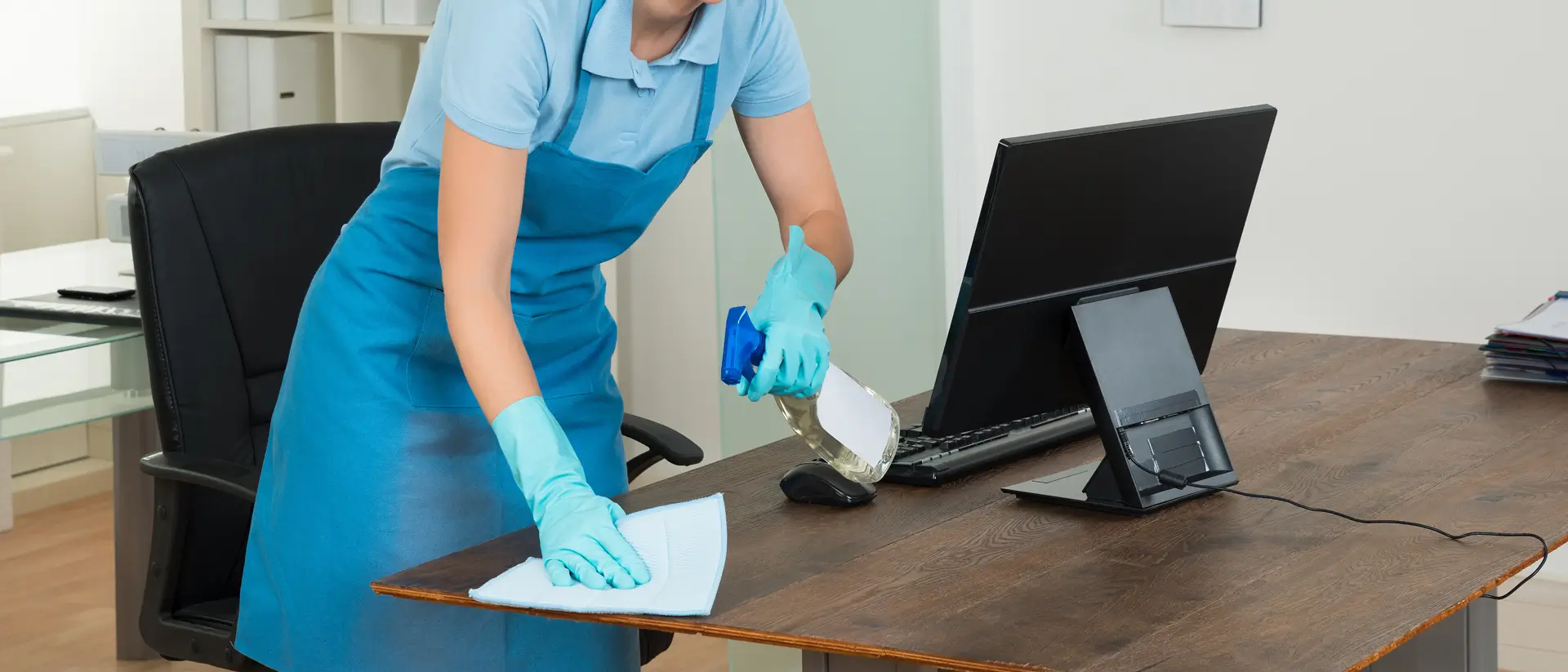
- Horizontal and High-Touch Surfaces: Damp wipe all horizontal surfaces, including surgical lights, monitors, control panels, and tables. Pay special attention to high-touch areas like door handles, light switches, and equipment controls, as these are common points of cross-contamination. The operating room bed and any patient positioning or transfer devices should be thoroughly cleaned and disinfected.
- Floors: The final step in the general cleaning process is disinfecting the floors. Use a hospital-grade disinfectant, focusing on the area up to five feet around the procedure table. For maximum efficiency, consider using a wet vacuum with a filter or a two-mop system — one for applying the disinfectant and another for removing it.
- Equipment: All mobile equipment, such as anesthesia carts, monitors, and instrument stands, must also be meticulously cleaned and disinfected according to manufacturer guidelines.
The tools used are just as important as the techniques. Disposable or lint-free microfiber cloths and mops are recommended. It is critical to change cloths and mop heads frequently, especially when moving between different surfaces or rooms, to avoid spreading contaminants. Never place a used cloth back into a cleaning solution, as this will contaminate the entire bucket.
Disinfection Protocols
Disinfection is the process that eliminates most pathogenic microorganisms on surfaces. Simply wiping a surface is not enough; the correct disinfectant must be used and given enough time to work.
Always use an EPA-registered, hospital-grade disinfectant appropriate for healthcare settings. The most critical factor in effective disinfection is dwell time — the period a disinfectant must remain wet on a surface to kill the targeted pathogens. This time is specified by the manufacturer and must be strictly followed. If a surface dries before the required dwell time has passed, the disinfectant may not be fully effective.
To prevent cross-contamination, change gloves and cleaning cloths between tasks and before moving to a new area. Never mix different cleaning chemicals, as this can create hazardous fumes and reduce their efficacy. Always follow the manufacturer’s instructions for diluting, handling, and storing disinfectants.
Other Best Practices for Maintaining Hygiene
Beyond the standard cleaning and disinfecting protocols, several other best practices can enhance the safety and cleanliness of an operating room.
- Regular Training: Ongoing training is essential for cleaning staff. They must understand the importance of their role in infection prevention and be kept up-to-date on the latest procedures and safety protocols.
- Quality Assurance: Implement quality assurance measures like ATP (adenosine triphosphate) testing. This system can quickly assess the cleanliness of surfaces by detecting organic matter, providing immediate feedback on cleaning effectiveness.
- Daily Readiness: Clean and disinfect the room before the first case of the day to remove any dust or debris that may have settled overnight.
- Follow Equipment Guidelines: Always adhere to the manufacturer’s specific instructions for cleaning sensitive medical equipment, such as EKG cables or incubator filters.
- Report Damages: During the cleaning process, staff should inspect surfaces and equipment for any damage, such as tears in upholstery or cracks in surfaces, and report them immediately. These imperfections can harbor pathogens and compromise sterility.
After the cleaning process is complete, ensure all surfaces are dry, remove all used cleaning supplies, and perform a final visual inspection. The last step is always hand hygiene.
Partner with the Experts at Cleaning Technologies Inc.
For over 25 years, Cleaning Technologies Inc. has been a trusted partner for healthcare facilities seeking comprehensive and reliable cleaning services. Our team of experts is trained to handle the unique challenges of cleaning operating rooms, ensuring your environment is not just visibly clean but hygienically safe.
We understand that every healthcare facility has different needs, which is why we offer flexible scheduling, including 24/7 availability, to work around your operating hours and minimize disruption.
By partnering with Cleaning Technologies Inc., you can be confident that your facility is meeting the highest standards of cleanliness and infection control, allowing your medical team to focus on what matters most — patient care.
If you want to ensure your operating rooms meet the highest standards of hygiene, schedule a consultation with Cleaning Technologies Inc. today. Let our experience work for you.