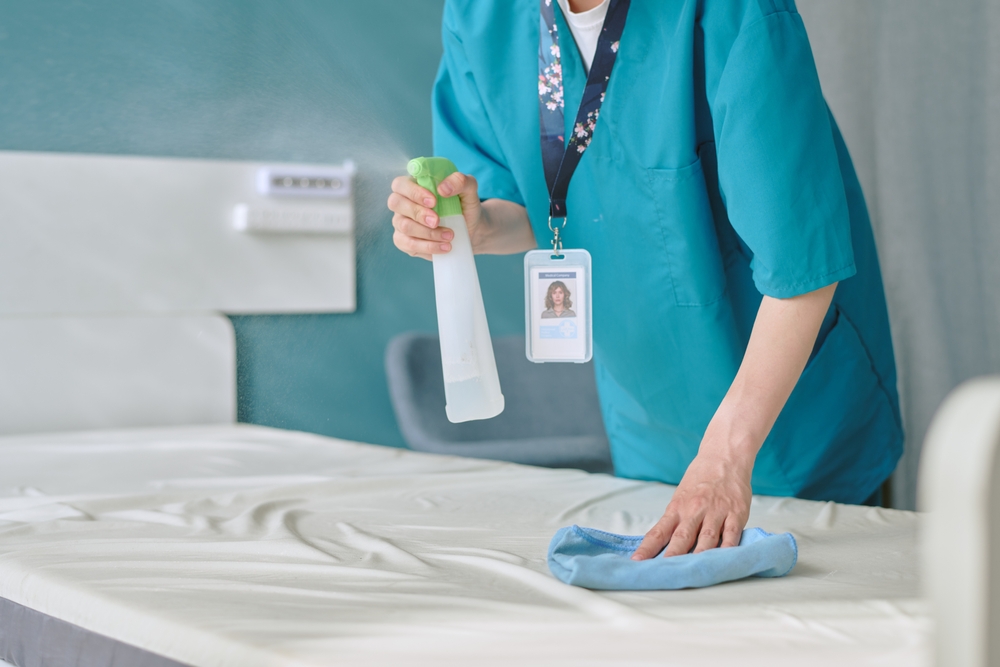
Quick answer: Cleaning supports infection prevention in medical facilities by physically removing organic matter, reducing microbial load, and preparing surfaces for effective disinfection, all of which work together to stop healthcare-associated infections (HAIs) from spreading among patients and staff.
Cleaning’s Critical Role in Medical Facility Infection Prevention
Healthcare-associated infections affect millions of patients each year, adding strain to recovery timelines, healthcare costs, and facility operations. Yet one of the most powerful tools for stopping these infections is also one of the most overlooked: routine cleaning. Before any disinfectant is applied, before any sterilization protocol is followed, cleaning must come first.
Cleaning Services breaks down how proper cleaning practices reduce microbial load, prepare surfaces for disinfection, and break the transmission chains that allow pathogens to spread in medical environments.
What Is the Core Role of Cleaning in Infection Prevention?
How Does Cleaning Remove Bioburden From Medical Surfaces?
Bioburden refers to the organic matter, such as blood, bodily fluids, dust, and visible dirt, that accumulates on surfaces in medical settings. This material acts as a protective shield for harmful microorganisms, making it nearly impossible for disinfectants to reach and eliminate them.
Physical scrubbing with detergents removes this organic matter before chemical agents are applied. Without this step, even the strongest disinfectants cannot do their job effectively. According to the CDC, cleaning is the essential first step in any reprocessing protocol for patient care equipment.
Why Can’t Disinfectants Work on Dirty Surfaces?
Disinfectants are formulated to act on clean surfaces. When organic matter is present, it neutralizes the active ingredients in disinfectants, reducing or eliminating their ability to kill target pathogens. Cleaning removes this interference and ensures the chemical disinfection step that follows actually works.
The sequence matters: clean first, then disinfect. Skipping or rushing through the cleaning phase renders the entire infection prevention process unreliable.
How Does Regular Cleaning Break Infection Transmission Chains?
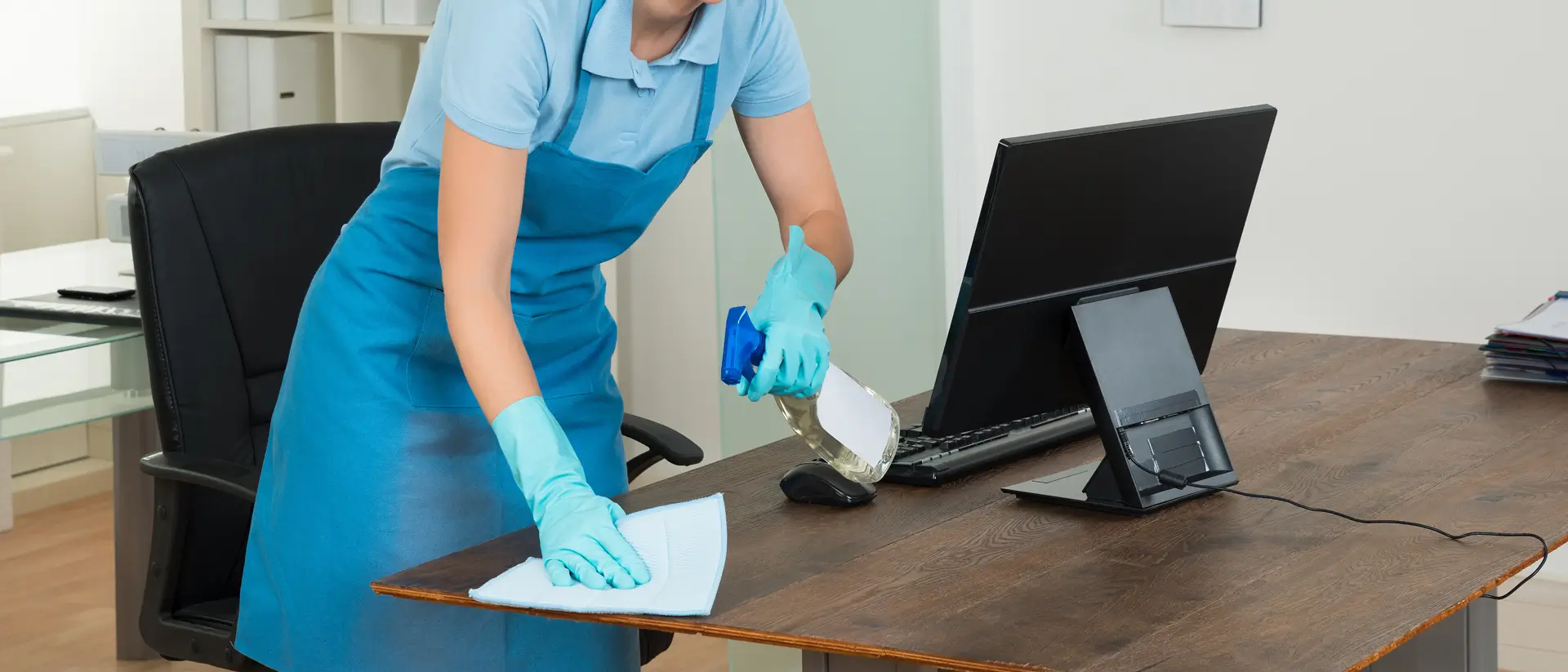
Pathogens travel. They move from contaminated surfaces to hands, and from hands to patients, staff, and visitors. Regular wiping of high-touch objects, including bed rails, call buttons, doorknobs, and keyboards, interrupts this cycle before it can cause harm.
According to the World Health Organization (WHO), the hospital environment plays a significant role in the transmission of healthcare-associated pathogens, and consistent surface cleaning is a core strategy for reducing this risk.
What Are the Key Cleaning Practices for Medical Facility Infection Prevention?
Which Areas Should Receive Priority Attention in Medical Settings?
Not all surfaces carry the same infection risk. High-touch zones, such as bed rails, IV poles, tray tables, light switches, and shared keyboards, accumulate pathogens at a significantly higher rate than low-contact areas. These zones require intensive, frequent cleaning and disinfection throughout each shift.
Facilities that prioritize high-touch areas based on documented protocols see better outcomes in infection prevention compared to those applying uniform, infrequent cleaning schedules.
How Can Cleaning Staff Prevent Cross-Contamination Between Patient Zones?
Cross-contamination is a common risk when cleaning practices are inconsistent. Two rules apply here. First, cleaning cloths must be changed between patient zones, never carried from one room to the next. Second, cleaning solutions must never be reused by double-dipping cloths back into the same bucket. Each dip reintroduces the very pathogens the cloth just removed.
Color-coded cloth systems are a practical solution, helping staff visually distinguish which materials are assigned to which zones.
What Is Contact Time and Why Does It Matter?
Contact time is the amount of time a disinfectant must remain wet on a surface to effectively kill target microorganisms. Wiping a surface dry immediately after applying a disinfectant does not give the chemical agent enough time to work.
Every approved disinfectant comes with a specified contact time listed on its label, typically ranging from 30 seconds to 10 minutes. Staff must follow these instructions precisely for disinfection to be effective, making training and protocol enforcement critical components of any infection prevention program.
Strengthen Your Infection Prevention Protocols With Cleaning Services
If your medical facility is ready to evaluate and improve its cleaning protocols, Cleaning Services is here to help. Contact our team today for a professional consultation and take a proactive step toward stronger infection prevention outcomes.
Frequently Asked Questions
What is the difference between cleaning and disinfecting in medical facilities?
Cleaning physically removes organic matter and dirt using detergents and mechanical action. Disinfecting uses chemical agents to kill microorganisms on already-clean surfaces. Cleaning must always come before disinfection, because organic matter blocks disinfectants from working.
Why is cleaning considered the first step in infection prevention?
Cleaning removes the bioburden that shelters pathogens and neutralizes disinfectants. Without this step, chemical disinfection is significantly less effective, leaving surfaces and patients at risk.
What are the most high-risk surfaces in medical facilities for HAI transmission?
High-touch surfaces, including bed rails, call buttons, IV poles, tray tables, doorknobs, and shared keyboards, carry the highest risk and require the most frequent and thorough cleaning.
How often should high-touch surfaces be cleaned in a medical facility?
Frequency depends on the type of facility, patient population, and relevant guidelines. High-touch surfaces in patient rooms are typically cleaned multiple times per day, with terminal cleaning conducted after patient discharge.
What training do cleaning staff need for effective medical facility infection prevention?
Staff should be trained on proper product selection, correct application techniques, required contact times, cross-contamination prevention, and color-coded system protocols. Regular refresher training and protocol audits are essential for maintaining consistent standards.