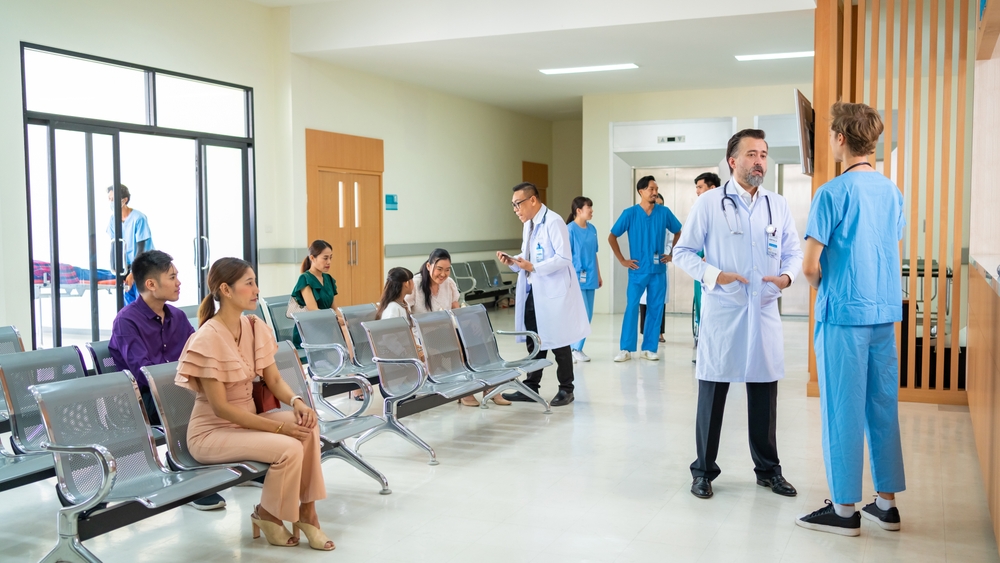
Master Waiting Room Cleaning for Healthcare Facilities
Patients form their first impressions within seconds of walking through your front doors. Long before they interact with medical staff or undergo a consultation, the physical environment communicates a powerful message about the quality of care they are about to receive. A spotless, well-maintained reception area signals professionalism, safety, and attention to detail. Conversely, visible dust, smudged glass, or overflowing trash bins can immediately erode patient trust.
At Cleaning Technologies Inc., we specialize in healthcare cleaning, providing expert solutions that meet the rigorous demands of medical environments. We know that basic janitorial services fall short when dealing with vulnerable populations and contagious pathogens. Cleaning medical waiting rooms requires a specialized, scientific approach.
Implementing best practices for waiting room cleaning is crucial for patient safety, infection control, and your facility’s overall reputation. This guide breaks down the most effective protocols to keep your environment pristine and compliant.
What are the best practices for cleaning medical waiting rooms?
Best practices for cleaning medical waiting rooms include frequent disinfection of high-touch surfaces, using EPA-registered hospital-grade disinfectants, following top-to-bottom cleaning procedures, and maintaining consistent daily cleaning schedules.
The Critical Role of Waiting Room Cleanliness
Medical waiting rooms are high-traffic zones where healthy individuals often sit shoulder-to-shoulder with sick patients. Because of this dynamic, strict sanitation protocols are an absolute necessity.
First Impressions and Patient Perception
Your lobby serves as the face of your practice. Patients equate a clean environment with competent medical care. If a facility cannot maintain basic hygiene in its public spaces, patients will naturally question the sterility of its operating rooms and treatment areas.
Preventing Healthcare-Associated Infections (HAIs)
Healthcare-associated infections pose a significant threat to patient safety and place a massive financial burden on medical systems. Proper waiting room cleaning disrupts the chain of infection. By eliminating pathogens from shared spaces before they reach vulnerable individuals, you directly contribute to lowering HAI rates within your facility.
Regulatory Compliance and Accreditation Standards
Medical facilities must adhere to strict guidelines established by organizations like the CDC, OSHA, and the Joint Commission. Failing to maintain a hygienic environment can lead to failed inspections, heavy fines, and loss of accreditation. A documented, rigorous cleaning schedule ensures your facility remains fully compliant at all times.
Key Principles of Effective Waiting Room Cleaning
Effective sanitation goes beyond removing visible dirt. It requires a systematic approach to neutralizing microscopic threats.
Continuous, High-Frequency Disinfection
Sporadic cleaning is insufficient for healthcare settings. Best practices dictate continuous, high-frequency disinfection throughout the day. This proactive approach focuses heavily on high-touch surfaces, ensuring that areas contacted by multiple people are regularly sanitized to prevent cross-contamination.
EPA-Registered Hospital-Grade Products
Not all cleaning chemicals are created equal. Medical facilities must utilize EPA-registered hospital-grade disinfectants proven to kill robust pathogens. However, simply applying the product is not enough. Cleaning staff must understand and adhere to proper “contact times” — the specific duration a disinfectant must remain wet on a surface to effectively destroy microorganisms.
Best Practices for Cleaning High-Touch Surfaces
Pathogens thrive on surfaces touched by dozens of hands each hour. Staff must target these specific areas multiple times throughout the day.
Reception Area
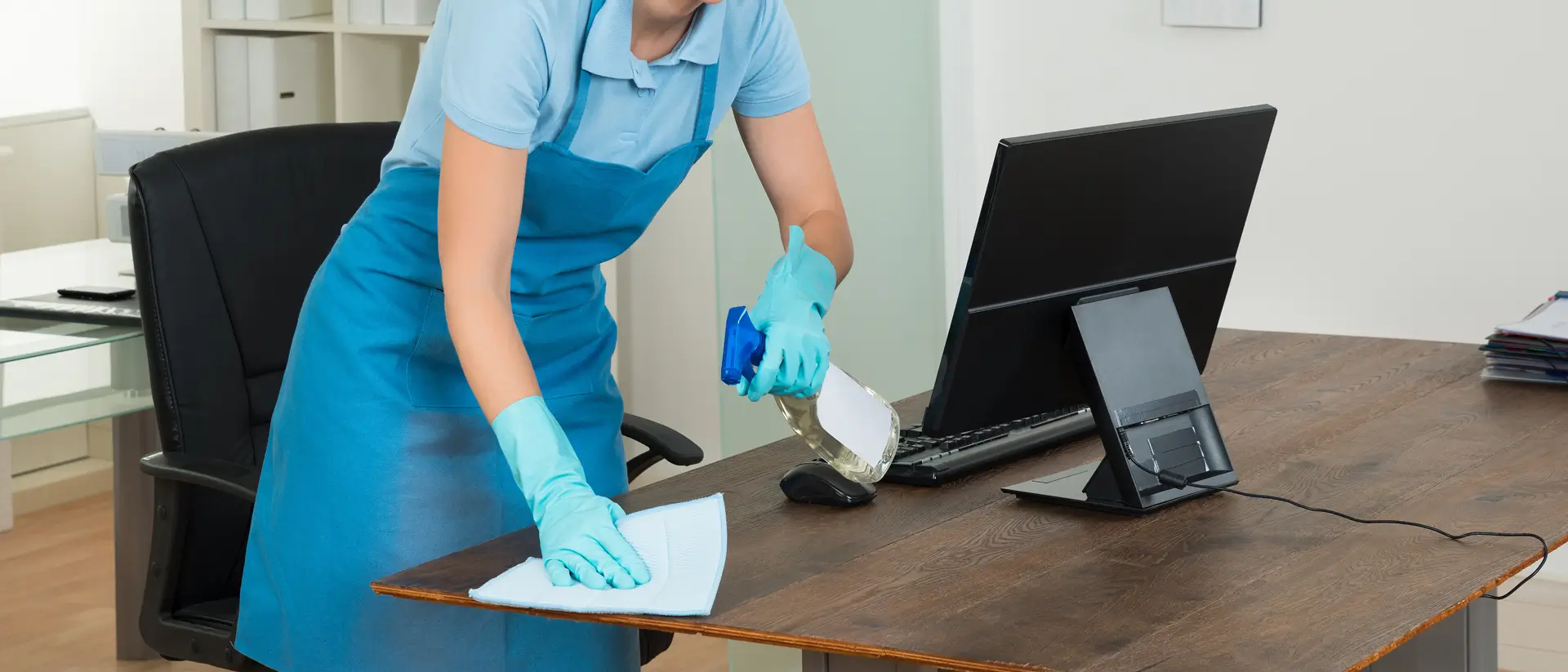
The front desk is ground zero for patient interaction. Frequently sanitize countertops, check-in kiosks, shared pens, and clipboards. Keyboards and phones used by reception staff also require regular disinfection, as they can easily harbor bacteria.
Seating Area
Patients spend the majority of their time in chairs and benches. Disinfect chair armrests, side tables, and seating surfaces. When furnishing your lobby, prioritize non-porous materials like vinyl or hard plastic, which are much easier to wipe down and disinfect compared to fabric upholstery.
Entry Points
Doors act as a major transfer point for germs. Clean interior and exterior door handles, push plates, and nearby light switches during high-traffic periods. If your waiting area is located in a multi-story building, elevator buttons must also be prioritized.
Restrooms
Waiting room restrooms require intensive, frequent attention. Sanitize sink faucets, flush handles, soap and paper towel dispensers, and all door handles to maintain a sterile environment.
Essential Cleaning Techniques and Procedures
Using the right tools and techniques is just as important as using the right chemicals.
The “Clean-to-Dirty” and “Top-to-Bottom” Approach
To prevent cross-contamination, cleaning must proceed systematically. Staff should always work from the cleanest areas to the dirtiest areas.
Additionally, employing a “top-to-bottom” and clockwise method ensures that dirt and dust dislodged from higher surfaces do not re-contaminate previously cleaned lower areas.
Utilizing Microfiber Technology
Microfiber cloths and mops are vastly superior to traditional cotton materials. The structure of microfiber allows it to physically trap and remove significantly more microorganisms, dust, and debris, reducing airborne contaminants in the process.
Damp Dusting vs. Dry Dusting
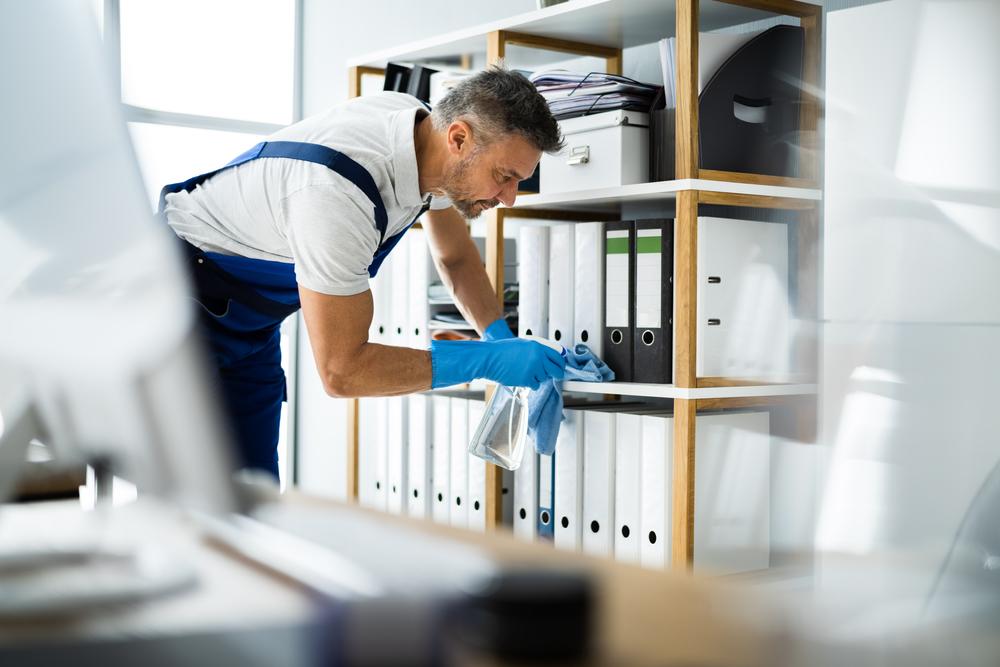
Dry dusting is ineffective and dangerous in a healthcare setting, as it simply launches dust and germs into the air for patients to breathe. Cleaning medical waiting rooms requires damp dusting. Wiping surfaces with a cloth dampened with an approved disinfectant captures particles and neutralizes pathogens simultaneously.
Daily Deep Cleaning Protocol
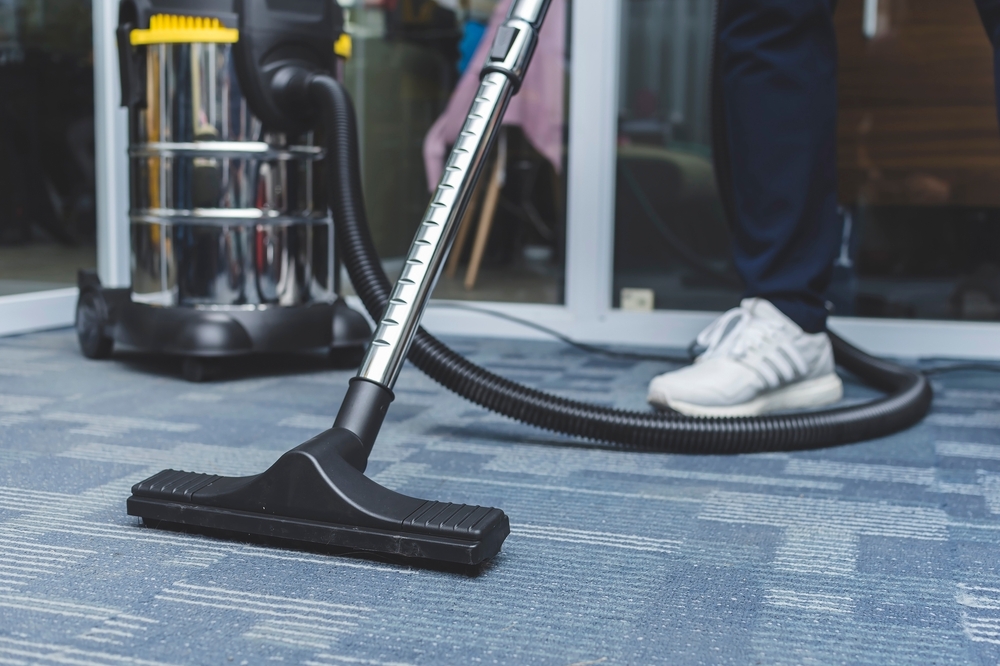
Alongside continuous high-touch disinfection, the space requires a comprehensive deep clean at least once per day, typically after hours. This deep cleaning protocol must encompass the entire room, including thorough floor care such as HEPA-filtered vacuuming and strict mopping procedures.
Operational and Safety Strategies
Beyond manual wiping and mopping, facility managers can implement operational changes to improve hygiene.
Removing High-Risk Shared Items
Magazines, books, and children’s toys are notoriously difficult to disinfect and serve as major vectors for disease. Removing these high-risk shared items entirely is a highly recommended best practice for modern medical facilities.
Promoting Hand Hygiene
Provide highly visible, touchless hand sanitizer stations at entrances, check-in desks, and throughout the seating area. Pair these stations with clear signage promoting hygiene, such as reminders to cover coughs and sanitize hands upon entry.
Staff Training and PPE
Cleaning staff must be thoroughly trained on the critical difference between cleaning (the physical removal of dirt) and disinfecting (the chemical destruction of germs).
Furthermore, proper use of Personal Protective Equipment (PPE) protects the cleaning staff and prevents them from spreading pathogens from one room to another.
Elevate Your Patient Experience with Professional Cleaning
Maintaining a pristine medical lobby requires dedication, specialized knowledge, and an unwavering commitment to public health. By focusing on high-touch surfaces, utilizing EPA-registered disinfectants, and employing systematic cleaning methods, healthcare administrators can dramatically reduce infection risks and foster a welcoming, professional environment.Managing this internally can be overwhelming for busy medical staff. Facilities seeking reliable, expert care should partner with specialized professionals. Contact Cleaning Technologies Inc. today for a customized solution to ensure your waiting room reflects the high standard of medical care you provide.